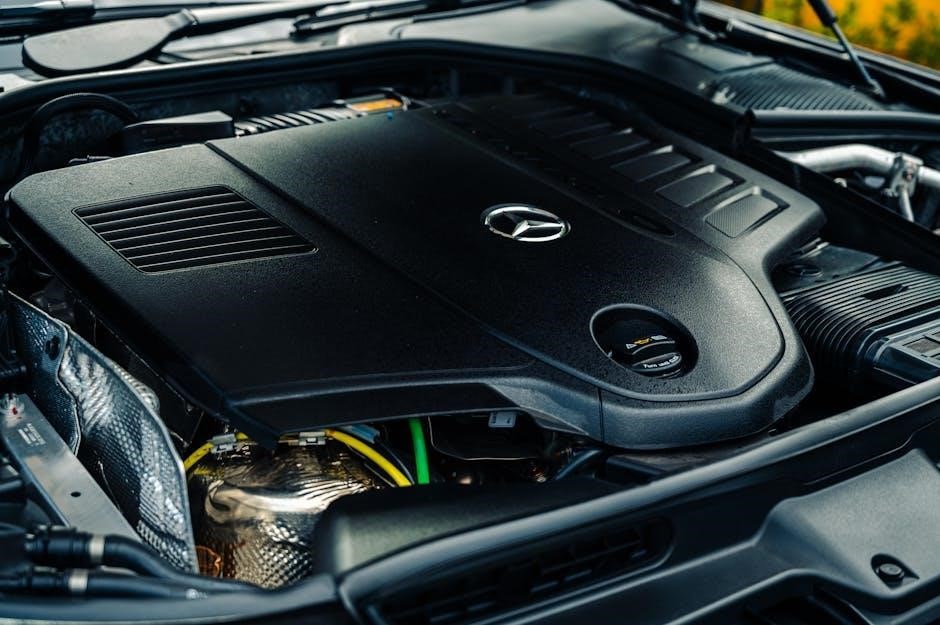
Mercedes-Benz Sprinter Manual: A Comprehensive Guide
Navigating Sprinter ownership requires access to detailed resources; this guide explores obtaining service, repair, and owner’s manuals, both official and freely available PDF versions․
The Mercedes-Benz Sprinter, renowned for its versatility, serves diverse roles – from commercial cargo transport to camper van conversions․ Understanding its intricacies demands reliable documentation․ This vehicle’s robust design necessitates a comprehensive manual for both routine maintenance and complex repairs․ Owners frequently seek resources detailing everything from fluid checks to intricate engine diagnostics․
Finding the correct manual can be challenging, with options ranging from official Mercedes-Benz dealership offerings to online subscription services and free PDF downloads․ Notably, some users report that manuals for slightly older models, like the 2005 Westfalia, contain information applicable to later years, such as the 2006 Sprinter․ Accessing these guides empowers owners to confidently maintain and repair their Sprinter․
Understanding Sprinter Generations (T1N, W906, VS30)
The Mercedes-Benz Sprinter has evolved through distinct generations, each with unique characteristics impacting manual requirements․ The initial T1N model laid the foundation, followed by the widely recognized W906 (2006-2018) – a focus for many manual searches․ Currently, the VS30 represents the newest iteration․
Manuals are often model-year specific, though considerable overlap exists, particularly within the W906 generation․ As noted by users, a 2005 Westfalia manual can prove surprisingly relevant for a 2006 Sprinter․ Recognizing your Sprinter’s generation is crucial when sourcing documentation, ensuring compatibility with its specific systems and components․ Different generations necessitate different repair procedures and part specifications, highlighting the importance of accurate information․
Where to Find Official Sprinter Manuals
Official Mercedes-Benz Sprinter manuals are primarily accessible through Mercedes-Benz dealerships․ However, obtaining these can be costly․ Increasingly, access is shifting towards online subscription services, often linked to technician training programs․ These platforms provide comprehensive, up-to-date information, but may not suit DIY enthusiasts seeking a traditional “Chitlin” style engine manual․
While free resources exist (discussed later), official manuals offer the highest level of accuracy and detail․ Be aware that some online subscriptions require a financial commitment․ Exploring dealership options and comparing subscription costs is advisable․ Digital download options for the W906 (2006-2018) generation are also available, offering detailed instructions and diagrams․

Accessing Sprinter Service and Repair Information
Locating Sprinter repair data involves dealerships, online subscriptions, and free resources; understanding these avenues ensures access to necessary service documentation․
Mercedes-Benz Dealerships and Manual Procurement

Obtaining official Sprinter manuals directly from Mercedes-Benz dealerships remains a reliable, though potentially costly, option․ Dealerships can supply printed workshop manuals, offering comprehensive repair procedures and technical diagrams․ However, availability can vary depending on the specific model year and engine configuration of your Sprinter․
Furthermore, dealerships often provide access to the Mercedes-Benz service information system, a digital platform containing detailed repair instructions, wiring schematics, and diagnostic procedures․ This access typically requires a subscription or a per-use fee․ While offering the most up-to-date information, this method can be expensive for DIY mechanics․ It’s advisable to contact your local dealership to inquire about manual availability and pricing before exploring alternative options․
Online Subscription Services for Sprinter Manuals
Several online subscription services provide access to Mercedes-Benz Sprinter repair manuals and technical data․ These platforms often cater to professional technicians but can be valuable for experienced DIYers․ These subscriptions typically offer detailed workshop manuals, wiring diagrams, troubleshooting guides, and technical service bulletins․ However, it’s important to note that some subscriptions are linked to technician training classes, potentially including more information than a typical owner requires․
Costs vary significantly depending on the provider and subscription duration․ Before committing, carefully evaluate the features and coverage offered to ensure they meet your specific needs․ Consider whether the subscription provides access to the information relevant to your Sprinter’s model year and engine type․
Free Online Resources and PDF Downloads
While official manuals often require payment, several free online resources offer Sprinter repair information and PDF downloads․ Websites like Sprinter Westfalia ([http://sprinterwestfalia․com/wp-content/uploads/2011/11/2005_sprinter_service_manual․pdf](http://sprinterwestfalia․com/wp-content/uploads/2011/11/2005_sprinter_service_manual․pdf)) host downloadable service manuals, though their completeness and accuracy should be verified․ Be cautious when downloading from unofficial sources to avoid malware or outdated information․
Various online forums and communities dedicated to Sprinter vans also share repair guides and troubleshooting tips․ These resources can be helpful for specific issues, but they shouldn’t replace a comprehensive repair manual․ Always cross-reference information and exercise caution when performing repairs based on user-generated content․

Sprinter Maintenance Essentials
Regular upkeep is crucial for Sprinter longevity; this section details routine schedules for oil changes, filter replacements, fluid checks, and tire maintenance procedures․
Routine Maintenance Schedules (Oil Changes, Filters)
Establishing a consistent maintenance schedule is paramount for your Mercedes-Benz Sprinter’s health․ Oil changes are typically recommended every 10,000 to 15,000 miles, utilizing a diesel-specific oil meeting Mercedes-Benz specifications․ Filter replacements – including fuel, oil, air, and cabin filters – should coincide with oil change intervals, or as dictated by driving conditions․
More frequent changes are advisable for severe duty cycles, such as towing or frequent short trips․ Consult your Sprinter’s owner’s manual for precise intervals based on your model year and engine type․ Maintaining these schedules prevents premature wear, optimizes fuel efficiency, and ensures reliable operation․ Detailed procedures for filter access and replacement are often found within workshop manuals․
Fluid Checks and Top-Ups (Coolant, Brake Fluid, Power Steering)
Regularly inspecting fluid levels is crucial for preventing component failure in your Mercedes-Benz Sprinter․ Coolant levels should be checked when the engine is cold, ensuring proper concentration to avoid overheating or freezing․ Brake fluid, vital for stopping power, requires periodic inspection for contamination and level maintenance․ Low levels may indicate a leak․
Power steering fluid, if equipped, also needs monitoring; Use only Mercedes-Benz approved fluids for all top-ups to maintain system integrity․ Workshop manuals detail specific fluid types and fill capacities․ Ignoring fluid maintenance can lead to costly repairs and compromise safety․ Consistent checks contribute to a longer lifespan and reliable performance․
Sprinter Tire Maintenance and Replacement
Maintaining proper tire condition is paramount for Sprinter safety and performance․ Regularly check tire pressure – including the spare – using a reliable gauge, adhering to the specifications listed in your owner’s manual or on the door placard․ Inspect tires for uneven wear, cuts, bulges, and sufficient tread depth․ Rotate tires according to the recommended schedule to promote even wear and extend their lifespan․
When replacement is necessary, use tires that match the original equipment specifications in terms of size, load rating, and speed rating․ Proper wheel alignment is essential after tire replacement․ Consult the Sprinter workshop manual for torque specifications when tightening wheel nuts․ Neglecting tire maintenance can significantly impact handling and braking․

Engine Specifications and Repair (Diesel Focus)
Diesel engines, like the OM642 and OM651, power many Sprinters; this section details their specifications, common issues, troubleshooting, and fuel system repair procedures․
Common Sprinter Diesel Engine Types (OM642, OM651)
The Mercedes-Benz Sprinter frequently utilizes diesel engines, with the OM642 and OM651 being prominent examples․ The OM642, a 3․0-liter V6, is known for its robust power and relatively smooth operation, often found in earlier Sprinter models․ It features common-rail direct injection and a variable geometry turbocharger for enhanced performance․
Conversely, the OM651, a 2․2-liter four-cylinder engine, became increasingly common in later Sprinter generations, prioritizing fuel efficiency and reduced emissions․ This engine also employs common-rail technology and a turbocharger, though its configuration differs from the V6․ Both engines are durable but can experience issues related to fuel injectors, glow plugs, and the diesel particulate filter (DPF)․ Understanding the specific characteristics of each engine is crucial for accurate diagnosis and repair․
Diesel Engine Troubleshooting Guide
Diagnosing diesel engine issues in a Sprinter requires a systematic approach․ Common problems include hard starting, often linked to glow plug failure or a faulty fuel filter․ Black smoke indicates incomplete combustion, potentially due to injector issues or a malfunctioning turbocharger․ White smoke suggests coolant entering the combustion chamber, signaling a head gasket leak or cracked cylinder head․
Loss of power can stem from a clogged fuel filter, a failing fuel pump, or turbocharger problems․ Regularly check for Diagnostic Trouble Codes (DTCs) using an OBD-II scanner․ Addressing these issues promptly prevents further damage․ Remember to consult a detailed Sprinter repair manual for specific diagnostic procedures and torque specifications․
Fuel System Maintenance and Repair
Maintaining the Sprinter’s fuel system is crucial for optimal performance․ Regularly replace the fuel filter – typically every 20,000-30,000 miles – to prevent injector clogging․ Inspect fuel lines for leaks or damage, replacing them as needed․ Diesel fuel contamination is a concern; use a fuel additive to combat algae growth and maintain fuel quality․
Repairing fuel system components often requires specialized tools․ Injector testing and cleaning should be performed by a qualified technician․ When replacing the fuel pump, ensure proper grounding and fuel line connections․ Always relieve fuel pressure before disconnecting any fuel lines․ A comprehensive Sprinter manual provides detailed diagrams and procedures for all fuel system tasks․
Transmission and Drivetrain
Sprinter drivetrains feature manual or automatic transmissions; proper fluid checks and changes are vital for longevity, alongside driveshaft and differential upkeep․
Sprinter Transmission Types (Manual, Automatic)
Mercedes-Benz Sprinter vans have historically been equipped with a variety of transmission options, catering to diverse operational needs and driver preferences․ Early models, and some later configurations, featured robust manual transmissions, offering drivers full control over gear selection and engine braking․ These typically involved a five- or six-speed setup, known for their durability and relatively straightforward maintenance․
However, automatic transmissions quickly gained popularity, providing enhanced convenience, particularly in urban driving and heavy-load applications․ Sprinters commonly utilize automatic transmissions with varying numbers of speeds, evolving over the years to improve fuel efficiency and shift smoothness․ These automatics often incorporate features like adaptive shift programs, adjusting to driving style and conditions․ Understanding the specific transmission type in your Sprinter is crucial for proper maintenance and repair, as procedures and fluid requirements differ significantly between manual and automatic systems․
Transmission Fluid Checks and Changes
Maintaining optimal transmission performance in your Mercedes-Benz Sprinter hinges on regular fluid checks and timely changes․ The frequency depends on driving conditions – severe duty (towing, frequent stops) necessitates more frequent servicing․ Checking the fluid level is typically done with the engine running and transmission warmed up, following the procedure outlined in your Sprinter’s service manual․
Fluid condition is equally important; it should be bright red and free of debris․ Dark, burnt-smelling fluid indicates contamination and the need for a change․ Sprinter transmissions require specific fluid types – using the incorrect fluid can cause serious damage․ A full fluid change involves draining the old fluid, replacing the filter (if applicable), and refilling with the correct specification․ Always consult your manual for the precise procedure and fluid capacity for your specific transmission type․
Driveshaft and Differential Maintenance
Ensuring smooth power delivery requires diligent attention to the Sprinter’s driveshaft and differential․ Regular inspection for wear, damage, and proper lubrication is crucial․ Check the driveshaft U-joints for play and grease them according to the service schedule detailed in your Sprinter’s manual․ Inspect the driveshaft for dents or bends, which can cause vibrations․
Differential maintenance primarily involves checking the fluid level and condition․ Like transmission fluid, differential fluid should be clean and free of metallic particles․ A change is necessary if the fluid appears contaminated or milky․ The manual specifies the correct fluid type and capacity․ Pay close attention to any unusual noises emanating from the differential, as these could indicate internal damage requiring professional attention․

Braking System Overview
Understanding the Sprinter’s braking system – components, pad replacement, and ABS/ESP diagnostics – is vital for safety; consult the manual for detailed procedures․
Sprinter Brake System Components
The Mercedes-Benz Sprinter’s braking system is a complex network designed for reliable stopping power․ Key components include the brake discs, calipers housing the brake pads, and the master cylinder initiating hydraulic pressure․ The system also incorporates brake lines carrying fluid to each wheel, and an ABS (Anti-lock Braking System) module preventing wheel lockup during hard braking․
Furthermore, the ESP (Electronic Stability Program) integrates with the braking system, enhancing vehicle control․ Brake boosters assist with pedal effort, and parking brake mechanisms ensure secure stationary positioning․ Detailed diagrams within the Sprinter’s service manual illustrate each component’s location and function, crucial for accurate diagnosis and repair․ Understanding these elements is paramount for safe and effective maintenance, ensuring optimal braking performance and driver safety․
Brake Pad Replacement Procedures
Replacing Sprinter brake pads requires careful adherence to procedures outlined in the official workshop manual․ Begin by safely lifting the vehicle and removing the wheel․ Disconnect the brake pad wear sensor, then unbolt the caliper․ Carefully slide the old pads out, noting their orientation․ Clean and inspect the caliper slides and hardware․
Compress the caliper piston using a suitable tool before installing the new pads․ Reassemble the caliper, torqueing bolts to specification․ Reconnect the wear sensor and reinstall the wheel․ Repeat on the opposite side․ Always bleed the brake system after pad replacement to ensure proper function․ The manual provides detailed torque specifications and diagrams for each step, vital for a safe and effective repair․
ABS and ESP System Diagnostics
Diagnosing ABS and ESP systems on a Sprinter necessitates a diagnostic scan tool capable of reading Mercedes-Benz specific fault codes․ The workshop manual details the procedure for accessing the ABS/ESP control module and interpreting the displayed codes․ Common issues include wheel speed sensor failures, faulty control module operation, and hydraulic unit problems․
The manual provides flowcharts to guide technicians through troubleshooting steps, pinpointing the source of the malfunction․ It also outlines testing procedures for individual components, like sensors and the hydraulic pump․ Proper diagnosis requires understanding the system’s interconnectedness and utilizing the correct diagnostic equipment․ Always refer to the manual for specific code definitions and repair instructions before attempting any repairs․
Electrical System Fundamentals
Sprinter electrical systems are complex; manuals detail battery maintenance, fuse box diagrams, and troubleshooting for components like starters and alternators for effective repair․
Sprinter Battery Maintenance and Replacement
Maintaining the Sprinter’s battery is crucial for reliable operation, as these vans are particularly sensitive to voltage drops․ Manuals emphasize regular inspection for corrosion around terminals, ensuring secure connections, and cleaning as needed․ Proper charging procedures, utilizing a compatible charger, are detailed to maximize battery lifespan․
Replacement procedures are thoroughly outlined, including disconnecting the negative terminal first to prevent shorts․ Specific torque specifications for terminal connections are provided to avoid damage․ Manuals also cover battery type compatibility – AGM, flooded lead-acid, or lithium – and the importance of selecting the correct capacity for optimal performance․ Furthermore, some models require battery registration with the vehicle’s computer system, a process detailed within the service documentation․
Fuse Box Locations and Diagram Interpretation
Sprinter manuals dedicate significant sections to electrical systems, starting with precise fuse box locations․ Typically, there are multiple fuse boxes – often one in the engine compartment, another under the driver’s seat, and potentially one within the cabin․ Detailed diagrams illustrate the layout of each fuse box, clearly labeling each fuse and relay․
Interpreting these diagrams is essential for troubleshooting electrical issues․ Manuals explain the fuse amperage ratings and the corresponding circuits they protect․ Color-coding and symbol explanations are included to aid understanding․ Furthermore, the documentation details how to safely remove and inspect fuses, identifying blown fuses and replacing them with the correct amperage rating to prevent further damage or electrical fires․
Starter and Alternator Troubleshooting
Sprinter manuals provide systematic approaches to diagnosing starter and alternator problems․ Troubleshooting the starter involves checking battery voltage, starter solenoid operation, and wiring connections․ Procedures detail how to perform voltage drop tests to pinpoint resistance issues․ For the alternator, manuals guide users through testing charging voltage, amperage output, and the drive belt’s condition․
Detailed diagrams illustrate component locations and wiring schematics․ Common failure modes, like worn brushes or faulty voltage regulators, are explained․ The manuals also outline procedures for removing and replacing these components, including torque specifications for mounting bolts․ Safety precautions, such as disconnecting the battery before working on the electrical system, are prominently emphasized throughout the troubleshooting guides․

Body and Chassis Repair
Sprinter manuals detail body panel repair, chassis component inspection, and crucial rust prevention techniques, ensuring structural integrity and longevity of the vehicle․
Sprinter Body Panel Repair Techniques
Sprinter service manuals provide comprehensive guidance on body panel repair, covering everything from minor dent removal to more extensive collision damage․ Techniques detailed include panel straightening, welding procedures for various metal types used in Sprinter construction, and proper application of body fillers and primers․
The manuals emphasize the importance of using manufacturer-approved materials to maintain corrosion resistance and structural integrity․ Detailed diagrams illustrate proper welding points and panel alignment procedures․ Furthermore, they outline the correct methods for preparing surfaces for painting, ensuring a durable and aesthetically pleasing finish․ Specific attention is given to repairing aluminum body panels, a common feature in newer Sprinter models, requiring specialized techniques and materials․ Proper safety precautions during welding and metalworking are also thoroughly addressed․
Chassis Component Inspection and Repair
Mercedes-Benz Sprinter manuals dedicate significant sections to chassis component inspection and repair, crucial for maintaining vehicle safety and handling․ These guides detail procedures for inspecting suspension components – springs, shocks, and control arms – for wear, damage, and proper alignment․ They also cover steering system checks, including power steering pump functionality and tie rod end integrity․
Repair procedures encompass replacing worn bushings, ball joints, and shock absorbers․ The manuals provide torque specifications for all chassis fasteners, ensuring proper assembly․ Detailed illustrations guide technicians through dismantling and reassembling chassis components․ Emphasis is placed on inspecting the frame for rust or cracks, outlining repair options ranging from patching to complete frame replacement․ Proper lubrication points are also identified to prevent premature wear and corrosion․
Rust Prevention and Treatment
Mercedes-Benz Sprinter manuals acknowledge the vehicle’s susceptibility to rust, particularly in regions with road salt exposure․ They emphasize proactive rust prevention through regular undercarriage washing and the application of rust-inhibiting coatings․ Detailed sections outline inspection procedures for identifying early signs of corrosion on the frame, body panels, and suspension components․
Treatment procedures range from removing surface rust with wire brushes and applying rust converters to more extensive repairs involving welding in new metal patches․ The manuals specify appropriate welding techniques and metal preparation methods․ Guidance is provided on selecting compatible primers and paints for long-lasting protection; They also recommend inspecting and repairing any compromised rust-proofing from the factory, ensuring comprehensive coverage and preventing future corrosion․

Specific Model Year Manuals (2006-2018 W906)
W906 Sprinter manuals (2006-2018) demonstrate significant consistency, with the 2005 Westfalia manual closely mirroring procedures found in later model year publications․
2006 Sprinter Manual Similarities to Later Years
Remarkably, owners report a high degree of overlap between the 2006 Sprinter service manual and those released in subsequent years within the W906 generation (up to 2018)․ A downloadable 2005 Westfalia manual, readily available online, appears to contain virtually identical information applicable to the 2006 model․
This suggests that core mechanical systems and repair procedures remained largely unchanged during the initial phase of the W906’s production run․ While later years may introduce updates related to emissions control or specific component revisions, the fundamental maintenance and repair guidelines remain consistent․ This finding offers a cost-effective solution for owners seeking repair information, as accessing older, freely available manuals can often suffice;
W906 Workshop Repair Manual Details
The W906 Sprinter’s official workshop repair manual, available as a digital download, provides comprehensive instructions, technical diagrams, and illustrations for servicing and repairing these vans from 2006-2018․ These manuals delve into detailed maintenance support, covering everything from routine checks to complex component overhauls․
Access often requires a subscription to online services, frequently linked to technician training programs․ These resources are invaluable for professional mechanics and dedicated DIY enthusiasts․ The manuals cover a broad spectrum of systems, including engine, transmission, brakes, electrical, and bodywork․ They are essential for understanding the intricacies of the Sprinter and performing repairs correctly and safely․
Emission Control System Abbreviations (Gasoline & Diesel)
Sprinter service manuals, particularly those for the 2016 model year, extensively detail emission control systems using numerous abbreviations․ Understanding these is crucial for diagnostics and repair․ Common terms include EGR (Exhaust Gas Recirculation), DPF (Diesel Particulate Filter), and SCR (Selective Catalytic Reduction) for diesel engines․
Gasoline engine systems utilize abbreviations like O2S (Oxygen Sensor), CAT (Catalytic Converter), and EVAP (Evaporative Emission Control System)․ These systems are vital for meeting stringent emissions standards․ The manuals provide detailed explanations of each component and their function, alongside troubleshooting guides for related fault codes, ensuring proper operation and compliance․