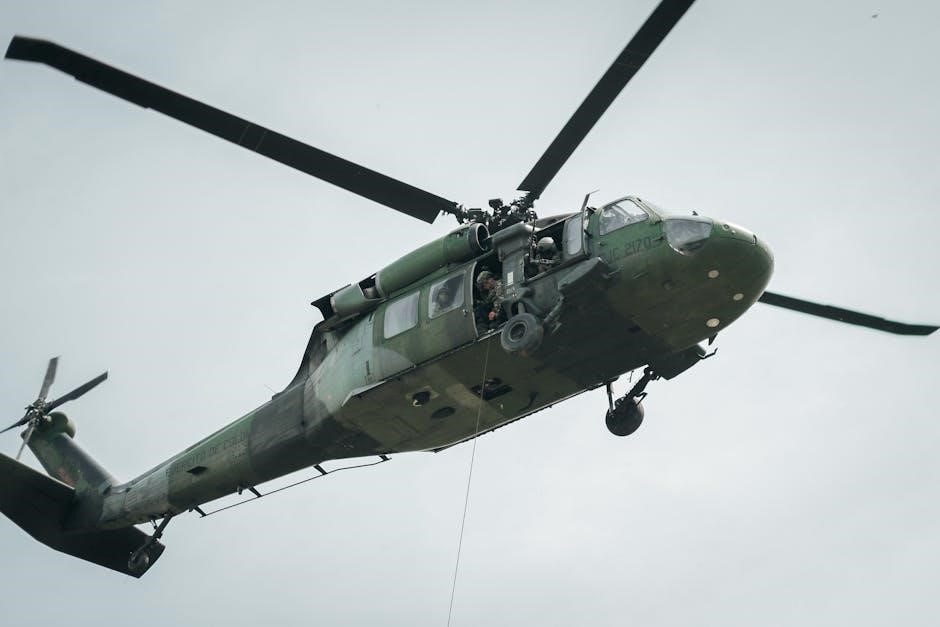
Nigeria’s six decades since independence have been marked by frequent military interventions‚ notably the 1966 coup and subsequent attempts․
These actions profoundly impacted the nation’s political trajectory and stability․
Historical Context of Nigerian Independence
Nigeria achieved independence from British colonial rule on October 1‚ 1960‚ inheriting a complex political landscape․ The First Republic‚ characterized by a federal system‚ struggled with intense regionalism and ethnic competition between the North‚ East‚ and West․
This fragile political structure‚ coupled with socio-economic disparities and perceived corruption‚ created fertile ground for discontent․ The early post-independence period witnessed increasing political instability‚ setting the stage for the military’s intervention in January 1966‚ just six years after gaining sovereignty․
Defining Military Coups and Their Characteristics
Military coups are the sudden‚ illegal‚ and often violent overthrows of a government by the armed forces․ Key characteristics include the suspension of constitutional processes‚ dissolution of existing political institutions‚ and replacement with a military regime․
In Nigeria‚ these coups were frequently initiated by junior officers‚ often citing corruption‚ ethnic bias‚ or perceived governmental incompetence as justification․ They typically involve the seizure of key infrastructure and the detention of political leaders‚ leading to prolonged periods of military rule․

The First Coup of 1966
January 15‚ 1966‚ marked Nigeria’s initial military coup‚ led by Major Chukwuma Kaduna Nzeogu‚ dramatically altering the nation’s political landscape․
The January 15‚ 1966 Coup: Key Players
Major Chukwuma Kaduna Nzeogu spearheaded the initial coup‚ alongside Captain Donatus Okafor and Lieutenant Gideon Orkar‚ representing a core group of young officers․ Major General Johnson Aguiyi-Ironsi‚ as General Officer Commanding the Nigerian Army‚ became Head of State following the coup’s success․ Sir Abubakar Tafawa Balewa‚ the Prime Minister‚ and Sir Ahmadu Bello‚ the Northern Premier‚ were among the prominent figures assassinated‚ triggering significant political fallout․ Major Godwin Onyefuru‚ a witness‚ later reflected on the coup’s impact‚ highlighting the involvement of various military personnel․
Motivations Behind the 1966 Coup
Motivations stemmed from widespread dissatisfaction with perceived corruption‚ ethnic tensions‚ and the political instability following Nigeria’s independence․ Young officers‚ like Nzeogu‚ aimed to address regional imbalances and establish a more unified nation․ Femi Fani-Kayode’s analysis suggests ethnic labeling often misrepresents the coup’s complex origins․ Concerns over the dominance of Northern Nigeria in political affairs and the perceived marginalization of other regions fueled discontent among the plotters‚ leading to the violent overthrow of the government․
Immediate Aftermath and Political Instability
The January 15‚ 1966 coup resulted in the deaths of prominent political and military figures‚ including Prime Minister Abubakar Tafawa Balewa and Northern Region Premier Ahmadu Bello․ Major Godwin Onyefuru‚ a witness‚ recalls the coup’s reshaping of Nigerian history․ This sparked immediate political instability and a power vacuum‚ setting the stage for the July 1966 counter-coup․ Regional tensions escalated‚ and the nation descended into a period of uncertainty and fear‚ profoundly altering its political landscape․

The July 1966 Counter-Coup
Following the January coup‚ a counter-coup in July 1966 brought General Yakubu Gowon to power‚ intensifying ethnic divisions and escalating instability․
Reasons for the July 1966 Coup
The July 1966 counter-coup stemmed from deep-seated resentment among Northern Nigerian military officers regarding the perceived ethnic bias of the January coup․ They believed the initial coup disproportionately targeted Northern leaders‚ fueling a desire for retribution and a rebalancing of power․
Furthermore‚ concerns grew over the perceived weakness of the Aguiyi-Ironsi government and its inability to quell regional tensions․ The counter-coup aimed to restore order‚ protect Northern interests‚ and prevent further perceived marginalization‚ ultimately leading to Gowon’s ascension․
The Rise of General Yakubu Gowon
Following the July 1966 counter-coup‚ General Yakubu Gowon emerged as the Head of State‚ largely due to the influence of Northern military officers․ He skillfully navigated the complex political landscape‚ presenting himself as a unifying figure capable of stabilizing the nation amidst escalating ethnic tensions․
Gowon’s leadership was quickly tested by the Biafran secession‚ which plunged Nigeria into a brutal civil war․ His subsequent handling of the conflict and post-war reconstruction solidified his position‚ though his rule was later marred by accusations of corruption and mismanagement․
Escalation of Ethnic Tensions
The tumultuous events of 1966 dramatically exacerbated pre-existing ethnic divisions within Nigeria‚ particularly between the Northern and Eastern regions․ The January coup‚ perceived as largely Igbo-led‚ fueled resentment and mistrust among Northerners‚ leading to retaliatory violence against Igbo communities residing in the North․
This escalating animosity culminated in the tragic pogroms of 1966‚ prompting a mass exodus of Igbo people back to the Eastern Region and ultimately contributing to the declaration of Biafra and the outbreak of civil war․

The Nigerian Civil War (1967-1970) and Military Rule
Following escalating tensions‚ the Biafran secession in 1967 ignited a brutal three-year civil war‚ governed firmly by the Nigerian military regime․
The Biafran Secession and its Impact
The declaration of Biafran independence by the Eastern Region in 1967‚ fueled by ethnic and political grievances‚ dramatically escalated existing tensions within Nigeria․ This secessionist move‚ largely driven by the Igbo people‚ stemmed from perceived marginalization and insecurity following the 1966 coups and subsequent violence targeting Igbos․
The resulting civil war had a devastating impact‚ causing widespread starvation‚ displacement‚ and immense loss of life – estimated between one and three million people․ International involvement‚ particularly from Britain and the Soviet Union‚ further complicated the conflict‚ shaping its duration and intensity․ The war’s legacy continues to influence Nigerian politics and identity․
Military Governance During the Civil War
During the Nigerian Civil War (1967-1970)‚ military governance became firmly entrenched‚ led by General Yakubu Gowon․ The government centralized power‚ suspending the constitution and ruling by decree․ This period saw the implementation of wartime economic measures‚ including strict controls on resources and finances‚ prioritizing the war effort․
The military administration focused heavily on suppressing Biafran secession‚ employing both military force and a naval blockade; Political opposition was curtailed‚ and civil liberties were significantly restricted in the name of national security․ This era solidified the military’s role in Nigerian politics․
Post-War Reconstruction and Continued Military Control
Following the Nigerian Civil War’s conclusion in 1970‚ reconstruction efforts commenced‚ focusing on rebuilding infrastructure and reintegrating the Eastern Region․ However‚ the military retained significant control‚ delaying a return to full civilian rule․ Gowon’s administration initiated economic development plans‚ fueled by oil revenues‚ but faced challenges with implementation and corruption․
Despite promises of democratization‚ the military government postponed transitions repeatedly‚ consolidating its power․ This prolonged military presence fostered a culture of governance reliant on decrees and centralized authority‚ hindering the development of robust democratic institutions․
Subsequent Coups and Transitions
Nigeria experienced further coups in 1975 and 1983‚ alongside brief periods of civilian governance‚ demonstrating a recurring pattern of instability and military intervention․
The 1975 Coup and the Murtala Mohammed Regime
The July 1975 coup‚ led by officers including Murtala Mohammed‚ ousted General Yakubu Gowon‚ ending his nine-year rule․ This change stemmed from dissatisfaction with Gowon’s perceived slow pace of transition to civilian rule and growing corruption․
Mohammed’s brief but impactful regime initiated significant reforms‚ including purging the civil service and streamlining government operations․ He also demonstrated a firm commitment to returning Nigeria to democratic governance‚ setting a clear timeline for elections․ Tragically‚ Mohammed was assassinated in February 1976 during an attempted coup‚ cutting short his progressive leadership․
The 1979 Transition to Civilian Rule
Following Murtala Mohammed’s assassination‚ Olusegun Obasanjo continued the transition program‚ culminating in the 1979 elections․ This marked Nigeria’s first attempt at a return to civilian governance after thirteen years of military rule․ Shehu Shagari of the National Party of Nigeria (NPN) emerged victorious‚ ushering in the Second Republic․ The transition involved drafting a new constitution modeled after the American presidential system‚ aiming for stability and democratic principles․ However‚ this period was soon marred by political tensions and economic challenges․
The 1983 Coup and the Buhari/Idiagbon Regime
In December 1983‚ the military‚ led by Major-General Muhammadu Buhari‚ overthrew the Shagari government‚ citing widespread corruption and economic mismanagement․ Buhari‚ with Tunde Idiagbon as his Chief of Staff‚ established a military regime characterized by strict discipline and austerity measures․ This period saw a crackdown on corruption‚ but also restrictions on civil liberties and press freedom․ Despite attempts at economic reform‚ the regime faced significant challenges and ultimately fell victim to another coup in 1985․
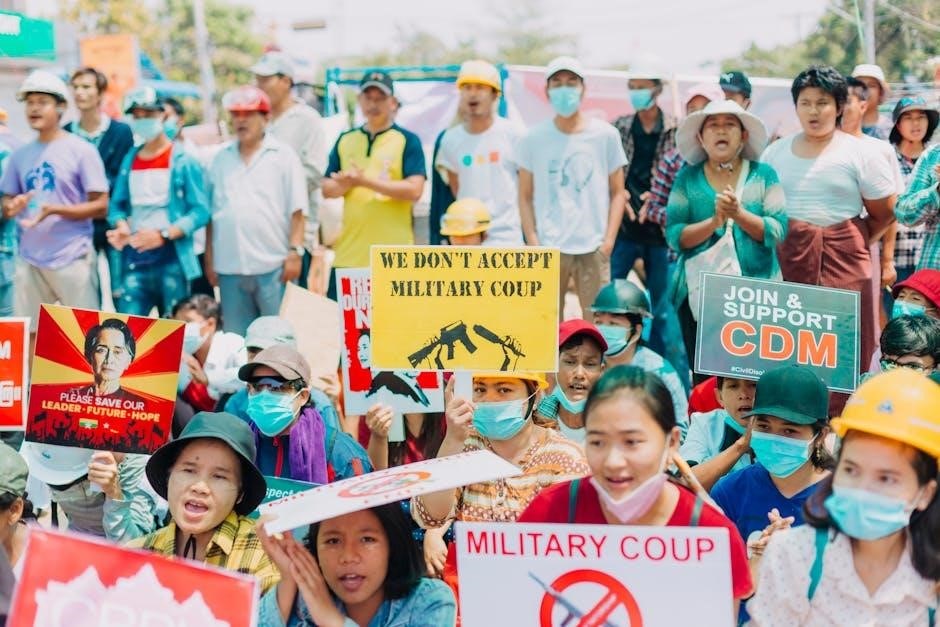
The Babangida Era and Failed Transitions
Ibrahim Babangida’s lengthy rule (1985-1993) was marked by a complex transition program to civilian rule‚ ultimately derailed by the annulment of the 1993 election․
The 1985 Coup and Babangida’s Rule
In August 1985‚ General Ibrahim Babangida orchestrated a coup that ousted Major General Muhammadu Buhari‚ citing concerns over human rights and economic stagnation․ Babangida then established a military regime promising a return to democratic governance․ However‚ his rule became characterized by political maneuvering and a protracted transition process․
He initiated a series of reforms‚ including the establishment of the Political Bureau and the Constituent Assembly‚ aimed at drafting a new constitution․ Despite these efforts‚ Babangida repeatedly postponed the handover to civilian rule‚ consolidating his power and facing increasing criticism from pro-democracy movements․
The Annulment of the 1993 Presidential Election
The June 12‚ 1993‚ presidential election‚ widely considered the fairest in Nigeria’s history‚ was shockingly annulled by Babangida’s regime․ Moshood Abiola‚ presumed winner‚ was denied his mandate‚ sparking widespread protests and civil unrest across the nation․ This act ignited a profound political crisis‚ eroding public trust in the military government and fueling demands for democratic restoration․
The annulment triggered a period of intense political instability‚ with pro-democracy activists‚ civil society organizations‚ and the international community condemning the blatant subversion of the democratic process․
Political Crisis and Abacha’s Takeover
Following the annulment and ensuing unrest‚ Ernest Shonekan was appointed as Head of the Interim National Government‚ but his authority proved fragile․ General Sani Abacha swiftly seized power in November 1993‚ initiating a brutal military regime․ This takeover was presented as a necessary step to restore order‚ but it quickly descended into authoritarian rule‚ marked by repression and human rights violations․
Abacha’s coup effectively extinguished hopes for a swift return to civilian governance‚ plunging Nigeria into a dark period of military dictatorship․
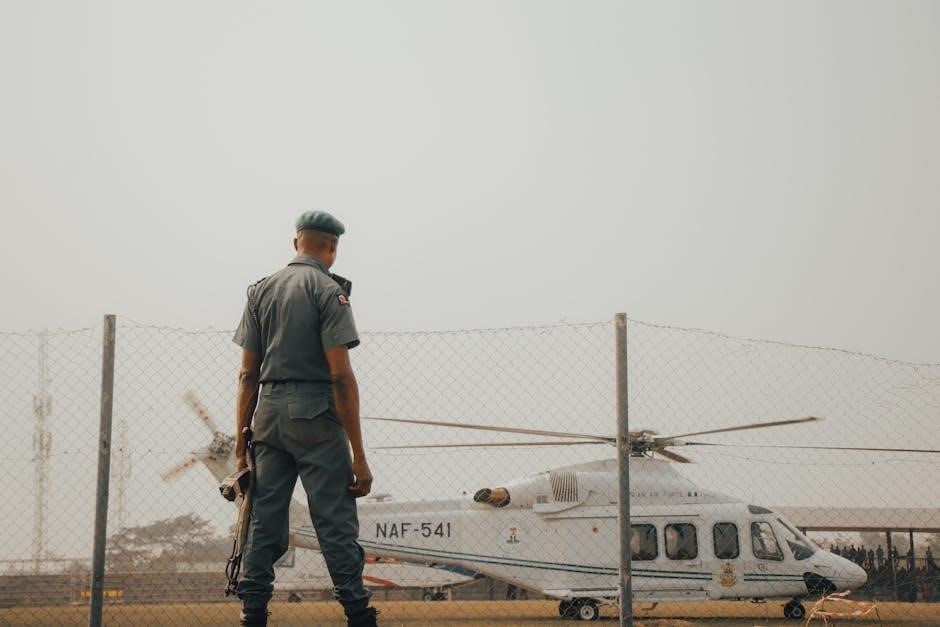
The Abacha Regime and its Aftermath
Abacha’s rule was characterized by widespread repression‚ human rights abuses‚ and corruption; his sudden death in 1998 paved the way for transition․
Repression and Human Rights Abuses
The Abacha regime was notorious for its brutal suppression of dissent and systematic violation of human rights․ Journalists‚ activists‚ and political opponents faced arbitrary arrests‚ detention without trial‚ and extrajudicial killings․ Prominent figures like Ken Saro-Wiwa‚ a vocal critic of oil exploitation in the Niger Delta‚ were executed․
Torture and intimidation were commonplace‚ creating a climate of fear․ Civil liberties were severely curtailed‚ and freedom of expression was stifled‚ marking a dark period in Nigeria’s history․
Abacha’s Death and the Transition to Obasanjo
General Sani Abacha’s sudden death in 1998 paved the way for a transition to civilian rule․ Abdulsalami Abubakar‚ his successor‚ initiated reforms and released political prisoners‚ including Olusegun Obasanjo‚ a former military head of state; Obasanjo emerged as the presidential candidate of the People’s Democratic Party (PDP) and won the 1999 elections‚ marking the beginning of the Fourth Republic and a return to democratic governance after years of military rule․
The Fourth Republic and Attempts at Democratic Consolidation
Established in 1999 with Obasanjo’s election‚ the Fourth Republic aimed for sustained democratic governance․ Despite progress‚ Nigeria faced challenges like corruption‚ ethnic tensions‚ and political instability․ Subsequent administrations‚ including Yar’Adua and Jonathan‚ navigated these issues․ While elections occurred‚ concerns about rigging and violence persisted‚ hindering full democratic consolidation and raising fears of potential military intervention‚ though none materialized․

Recent Coup Attempts and Threats (2023-2024)
Recent reports detail alleged plots to overthrow President Tinubu in 2023‚ leading to arrests and investigations within the Nigerian military‚ acknowledging a serious threat․
Alleged Plot to Oust President Bola Tinubu
In late 2023‚ Nigerian authorities uncovered a purported scheme by military personnel to illegally remove President Bola Tinubu from office․ Initially denied‚ the Defence Headquarters later confirmed the plot‚ stating that approximately sixteen soldiers were arrested in October concerning the alleged conspiracy․ Investigations are ongoing‚ with plans for trials to commence‚ revealing a concerning level of discontent within the armed forces and raising questions about loyalty and stability within the government․ This situation prompted heightened security measures and internal reviews․
Military Response and Arrests
Following the discovery of the alleged coup plot targeting President Tinubu‚ the Nigerian military swiftly responded by arresting numerous officers suspected of involvement․ The Defence Headquarters confirmed the detentions‚ initiating investigations to ascertain the full extent of the conspiracy and identify all participants․ These arrests signaled a firm stance against any attempts to undermine the democratically elected government‚ demonstrating the military’s commitment to maintaining constitutional order and preventing a destabilizing power grab․
Investigations and Planned Trials
The Nigerian Defence Headquarters announced a thorough investigation into the alleged coup plot‚ revealing that several officers would face trial․ This followed confirmation of a previously denied plot to oust President Bola Tinubu․ Authorities are preparing cases against the arrested soldiers‚ aiming for prosecution and accountability for their alleged actions․ The trials are expected to shed light on the motivations and scope of the attempted coup‚ reinforcing the rule of law and deterring future transgressions․
Factors Contributing to Coup Vulnerability in Nigeria
Political instability‚ ethnic divisions‚ economic hardship‚ and corruption consistently weaken Nigeria’s democratic foundations‚ creating conditions ripe for military intervention and coup attempts․
Political Instability and Ethnic Divisions
Nigeria’s complex ethnic landscape‚ coupled with intense political competition‚ fuels instability‚ historically exploited by coup plotters․ The 1966 coup‚ for instance‚ was initially framed along ethnic lines‚ exacerbating tensions․
Weak political institutions and a history of flawed elections contribute to recurring crises․ These divisions provide fertile ground for military intervention‚ as factions seek power through undemocratic means‚ undermining national unity and democratic processes․
Economic Challenges and Corruption
Nigeria’s economic vulnerabilities‚ including dependence on oil revenue and widespread corruption‚ significantly contribute to coup vulnerability․ Mismanagement of resources and economic hardship create discontent‚ fostering an environment ripe for military intervention․
Corruption erodes public trust in civilian governments‚ providing justification for military takeovers promising stability and accountability․ These economic factors‚ combined with political instability‚ create a dangerous cycle․
Weak Democratic Institutions
Fragile democratic institutions in Nigeria‚ characterized by a lack of independence‚ capacity‚ and public trust‚ exacerbate coup risks․ A weak judiciary‚ compromised electoral processes‚ and ineffective legislative oversight create a power vacuum․ This allows the military to present itself as a viable alternative․ Strengthening these institutions is crucial for democratic consolidation and preventing future interventions‚ fostering stability․
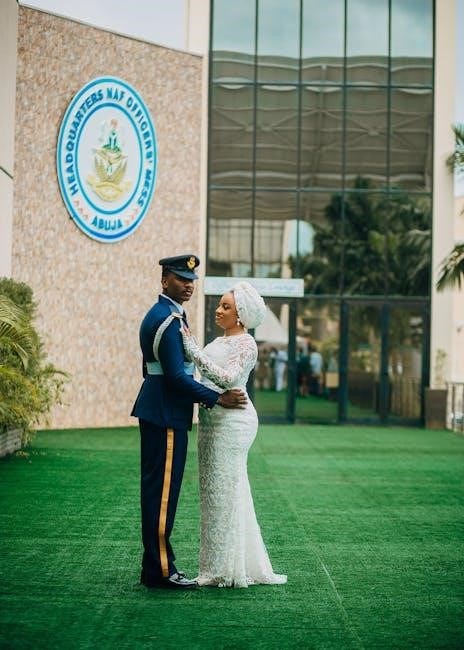
The Role of the Military in Nigerian Politics
Historically‚ the Nigerian military has been deeply involved in governance‚ frequently intervening through coups and prolonged periods of rule‚ shaping the nation’s destiny․
Historical Involvement in Governance
From 1966‚ the Nigerian military’s involvement in governance became a recurring theme‚ initiating a cycle of coups and counter-coups that destabilized the young nation․ Major Chukwuma Kaduna Nzeogwu’s led coup marked the beginning of decades of military rule‚ interrupting democratic processes․ Subsequent regimes‚ like those of Gowon‚ Buhari‚ and Abacha‚ further entrenched military control․
This pattern demonstrated a consistent willingness to seize power‚ often justified by claims of corruption or political mismanagement within civilian governments‚ profoundly impacting Nigeria’s political landscape․
Civil-Military Relations
Historically‚ civil-military relations in Nigeria have been fraught with tension‚ often characterized by distrust and interventionist tendencies from the armed forces․ The military frequently perceived itself as a corrective force‚ stepping in to “rescue” the nation from perceived civilian failures․
This dynamic fostered a problematic power imbalance‚ hindering the development of robust democratic norms and institutions․ Improving these relations requires professionalizing the military and strengthening civilian oversight mechanisms․
The Need for Professionalization
A core requirement for preventing future coups is the thorough professionalization of the Nigerian military․ This entails prioritizing training focused on constitutional roles‚ respect for civilian authority‚ and adherence to a strict code of conduct․
Reducing political interference in military affairs‚ improving welfare‚ and fostering a merit-based promotion system are also crucial steps towards building a truly professional and apolitical armed force․
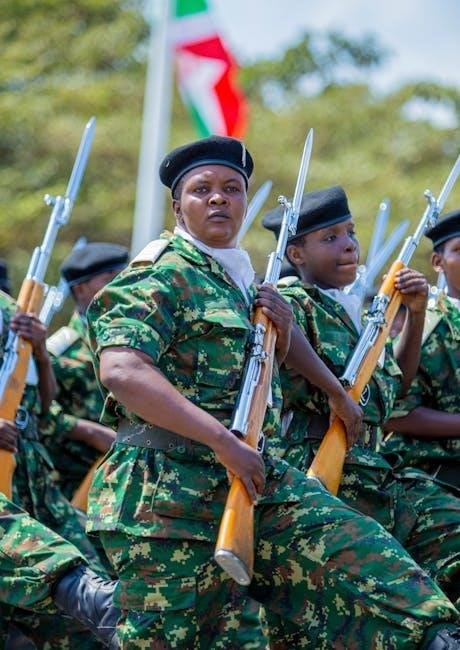
Impact of Military Coups on Nigerian Development
Military interventions consistently disrupted economic progress‚ fostered political instability‚ and eroded public trust‚ hindering long-term development and investment within Nigeria․
Economic Disruption and Investment Climate
Frequent coups created significant economic disruption in Nigeria‚ deterring both domestic and foreign investment․ Policy inconsistencies stemming from abrupt regime changes led to uncertainty‚ hindering long-term planning and economic growth․ Capital flight accelerated as investors sought safer environments․
Furthermore‚ military regimes often prioritized patronage networks and lacked the economic expertise to manage complex challenges‚ resulting in mismanagement and corruption․ This negatively impacted infrastructure development and overall economic performance‚ perpetuating a cycle of instability․
Political Fragmentation and Governance Challenges
Military coups exacerbated political fragmentation in Nigeria‚ undermining democratic institutions and fostering deep-seated distrust․ The suppression of political participation and the centralization of power hindered the development of a robust civil society․
Successive military regimes struggled with effective governance‚ often relying on decree laws and lacking accountability mechanisms․ This led to widespread corruption‚ human rights abuses‚ and a breakdown in the rule of law‚ further polarizing the nation’s political landscape․
Social Consequences and Human Rights
Military rule in Nigeria brought severe social consequences‚ including restrictions on freedom of speech‚ assembly‚ and the press; Arbitrary arrests‚ detentions without trial‚ and extrajudicial killings became commonplace‚ creating a climate of fear and insecurity․
Human rights abuses were rampant‚ particularly during the regimes of Abacha‚ impacting all segments of society․ These actions eroded social cohesion‚ deepened ethnic tensions‚ and left lasting scars on the national psyche‚ hindering reconciliation efforts․
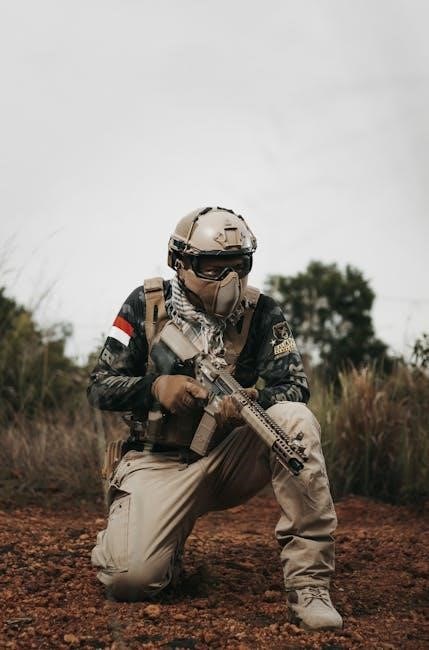
Lessons Learned and Preventing Future Coups
Strengthening democratic institutions‚ promoting good governance‚ and addressing socio-economic inequalities are crucial for preventing future military interventions in Nigeria’s political landscape․
Strengthening Democratic Institutions
Robust and independent institutions – the judiciary‚ electoral bodies‚ and legislative branches – are vital to deterring coups․ Nigeria must prioritize judicial independence‚ ensuring fair and timely adjudication of disputes․ Electoral reforms are needed to guarantee credible elections‚ fostering public trust․
A strengthened legislature‚ capable of effective oversight‚ can hold the executive accountable․ Civil society organizations play a crucial role in monitoring governance and advocating for democratic principles‚ demanding transparency and participation․
Promoting Good Governance and Accountability
Effective governance hinges on transparency‚ rule of law‚ and tackling corruption․ Nigeria must strengthen anti-corruption agencies‚ granting them genuine independence and resources․ Public financial management needs reform‚ ensuring accountability in revenue allocation and expenditure․
Citizen participation in governance is crucial; access to information and avenues for redress are essential․ Addressing impunity for past abuses builds trust and demonstrates a commitment to justice‚ fostering a culture of accountability․
Addressing Socio-Economic Inequalities
Nigeria’s vast wealth contrasts sharply with widespread poverty and inequality‚ fueling discontent․ Targeted social programs are vital‚ focusing on education‚ healthcare‚ and job creation‚ particularly in marginalized regions․
Investment in infrastructure – roads‚ electricity‚ and digital connectivity – can unlock economic opportunities․ Fair resource allocation and equitable access to services are paramount; Reducing the gap between rich and poor diminishes grievances that can be exploited by destabilizing forces․
Nigeria’s democratic future hinges on consolidating civilian control over the military and strengthening institutions․ Vigilance against coup attempts requires proactive governance‚ addressing socio-economic grievances‚ and fostering inclusive political participation․
Sustained investment in good governance‚ accountability‚ and the rule of law is crucial․ A robust civil society and a free press are essential safeguards․ Nigeria must prioritize national unity and resist divisive tendencies to secure a stable‚ democratic future․