Toyota 4Runner Manual Transmission: A Comprehensive Overview
The enduring quest for a manual transmission 4Runner continues, fueled by enthusiast disappointment over the 2025 model’s automatic-only configuration. Discussions across
platforms like Reddit (r/cars) and 4Runner6G.com reveal a strong desire for a stick-shift option, mirroring frustration seen with the Tacoma’s transmission choices.
Despite the Tacoma offering a six-speed manual, Toyota has confirmed no such option exists for the new 4Runner, prompting speculation about future possibilities and aftermarket conversions.
Historical Context of Manual 4Runners
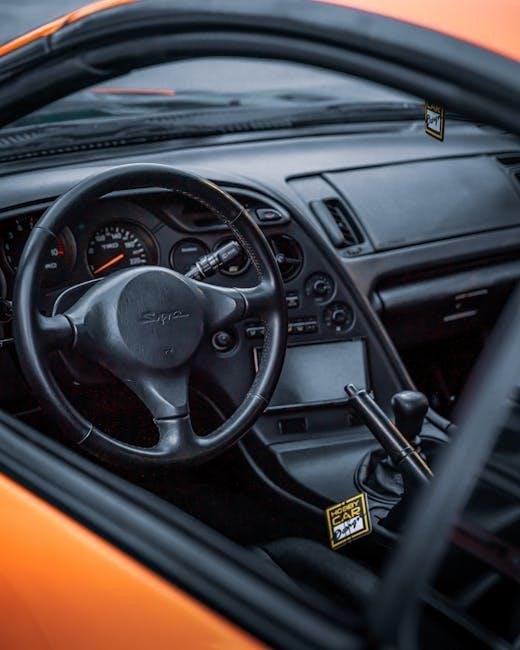
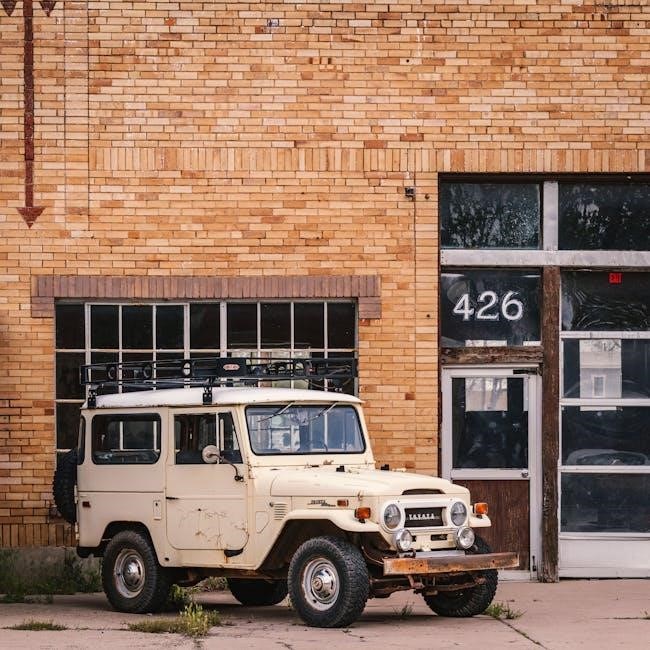
The Toyota 4Runner’s history with manual transmissions is a story of gradual decline, reflecting broader shifts in automotive preferences. Early 4Runner generations readily offered manual options, catering to drivers who valued control and engagement. These initial models, spanning the first and second generations (1984-1995), frequently featured five-speed manual transmissions as standard or readily available choices.
This accessibility allowed enthusiasts to fully experience the 4Runner’s off-road capabilities, providing precise gear selection for challenging terrains. However, as the 4Runner evolved into the third generation (1996-2002), manual availability began to diminish, signaling a trend towards automatic transmissions. The fourth generation (2003-2009) ultimately marked the end of the factory-offered manual 4Runner, a decision driven by changing consumer demands and manufacturing considerations.
The absence of a manual option in recent models, including the highly anticipated 2025 version, continues a legacy of automatic dominance.
First Generation (1984-1989) Manual Options
The inaugural 4Runner generation (1984-1989) prominently featured manual transmissions, establishing a foundation for driver-focused performance. These early models, initially based on the Hilux chassis, commonly equipped a five-speed manual gearbox as the standard transmission choice. This provided drivers with direct control over the vehicle’s power delivery, particularly advantageous for off-road adventures and challenging driving conditions.
The availability of a manual transmission in the first-generation 4Runner aligned with the preferences of enthusiasts who prioritized engagement and a more connected driving experience. While automatic options existed, the manual was often favored for its simplicity, reliability, and enhanced control. This era represented a peak for manual 4Runners, offering a raw and visceral driving experience that would gradually fade in subsequent generations.
These early models set a precedent for off-road capability and driver involvement.
Second Generation (1990-1995) Manual Availability
The second-generation 4Runner (1990-1995) continued to offer a manual transmission, though its prevalence began to subtly shift as automatic options gained traction. A five-speed manual remained available throughout this generation, catering to drivers who valued the control and engagement it provided. However, the increasing sophistication of automatic transmissions, coupled with changing consumer preferences, started to influence purchasing decisions.
While still a viable option, the manual transmission in the second-generation 4Runner wasn’t always as readily available as its automatic counterpart, depending on trim levels and regional markets. This marked a slight turning point, foreshadowing the eventual decline of manual options in later 4Runner models. Despite this, the manual retained its appeal among off-road enthusiasts and those seeking a more direct driving connection.
The second generation represented a transition period for manual 4Runners.
Third Generation (1996-2002) Manual Transmission Details
The third-generation 4Runner (1996-2002) maintained the availability of a five-speed manual transmission, but its presence became increasingly limited, primarily offered on lower trim levels and the base 2.7L engine. This generation saw a more pronounced shift towards automatic transmissions, reflecting broader market trends and Toyota’s internal focus.
The manual option in this era was largely favored by those prioritizing affordability and a more involved driving experience. However, the V6 engine options were almost exclusively paired with automatic transmissions, signaling a clear preference from Toyota. Enthusiasts seeking a manual 4Runner during this period often had to compromise on engine choice or actively search for a specific configuration.
The third generation marked a significant decline in manual transmission availability.
Fourth Generation (2003-2009) – The End of the Manual
The fourth-generation Toyota 4Runner (2003-2009) definitively marked the end of the manual transmission option for the model. Toyota completely discontinued offering a stick-shift, aligning with a broader industry trend towards automatic transmissions and responding to perceived consumer demand.
This decision wasn’t publicly attributed to specific technical challenges or cost concerns, but rather a strategic shift in product focus. The fourth generation 4Runner prioritized comfort, convenience, and a more refined driving experience, features often associated with automatic transmissions.
The absence of a manual option in this generation solidified the 4Runner’s position as a predominantly automatic vehicle, a trend that has continued through subsequent generations, fueling current enthusiast desires for a return to a manual option;
Reasons for Discontinuation of the Manual Transmission
Several converging factors contributed to Toyota’s decision to discontinue the manual transmission in the 4Runner. Shifting consumer preferences played a significant role, as the majority of buyers increasingly favored the ease and convenience of automatic transmissions. This trend was mirrored across the automotive industry, reducing demand for manual options.
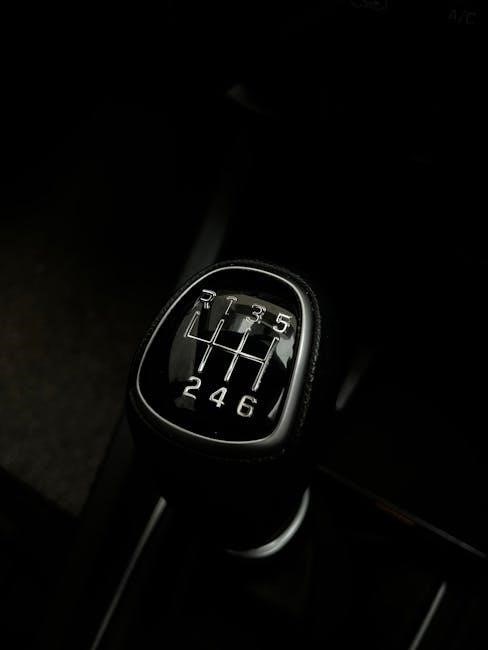
Furthermore, the increased popularity of automatic transmissions, offering smoother operation and enhanced fuel efficiency in some cases, further diminished the appeal of manual gearboxes. Manufacturing costs and complexity also likely influenced the decision; automatics, while initially more expensive, became more streamlined to produce.
Ultimately, Toyota aligned its 4Runner production with prevailing market forces and consumer expectations, prioritizing automatic transmissions for broader appeal and profitability.
Shifting Consumer Preferences
A clear trend towards automatic transmissions has reshaped automotive buyer behavior, significantly impacting the availability of manual options like those once found in the Toyota 4Runner. Modern drivers increasingly prioritize convenience and ease of use, particularly in daily commuting scenarios. The perceived effort required to operate a manual transmission, including clutch engagement and gear changes, became less appealing to a broader audience.
This shift is reflected in sales figures across various vehicle segments, demonstrating a consistent decline in manual transmission uptake. Consequently, manufacturers like Toyota responded by focusing resources on automatic transmission development and production, catering to the dominant market demand.
The “pavement princess” perception of many 4Runners further diminished the need for a manual option in the eyes of many buyers.
Increased Popularity of Automatic Transmissions
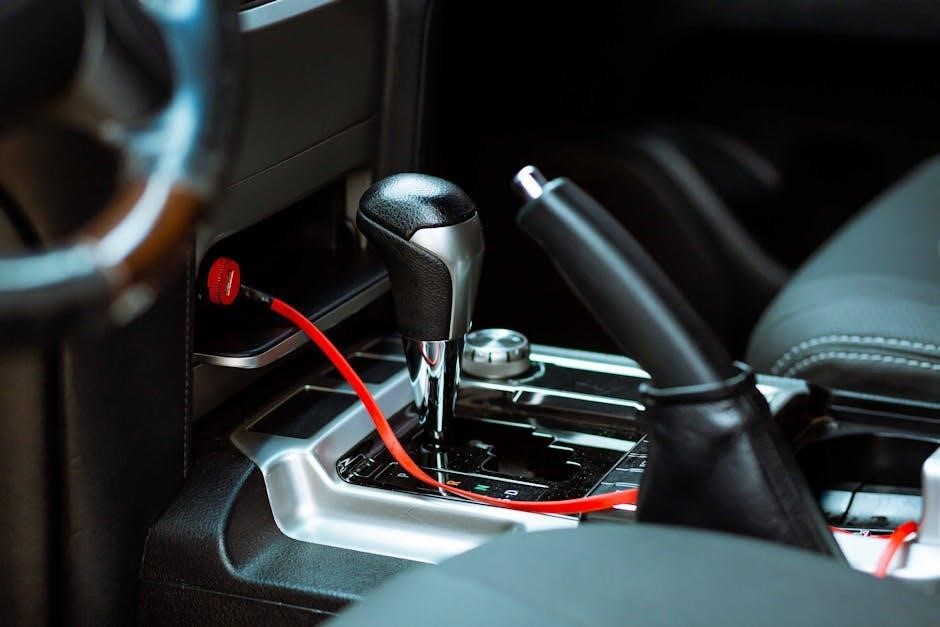
The rise of sophisticated automatic transmissions has dramatically altered the automotive landscape, diminishing the appeal of manual gearboxes, including within the Toyota 4Runner lineage. Modern automatics offer smoother shifts, improved fuel efficiency (in some cases), and advanced features like paddle shifters, mimicking the control once exclusive to manuals.
The eight-speed automatic found in the current 4Runner, praised in reviews like those of the 2024 Tacoma, exemplifies this advancement. These transmissions often outperform manual drivers in acceleration and fuel economy, addressing previous performance gaps.
Furthermore, automatic transmissions reduce driver fatigue, especially in stop-and-go traffic, a significant factor for many consumers. This convenience has driven widespread adoption, influencing Toyota’s decision to prioritize automatic options.
Manufacturing Costs and Complexity
Producing vehicles with both manual and automatic transmission options introduces significant complexities and increased manufacturing costs for Toyota. Maintaining separate production lines, inventory, and quality control processes for each transmission type adds substantial overhead.
Given the declining demand for manual transmissions, particularly in the 4Runner’s segment, Toyota likely determined that the added expense wasn’t justified. Focusing solely on the automatic simplifies logistics and allows for economies of scale.
Furthermore, the development and calibration of manual transmissions, especially to avoid engine lugging issues noted in discussions on Reddit (r/cars), require specialized engineering resources. Streamlining to a single transmission reduces these development burdens.
The 2025 Toyota 4Runner and the Manual Transmission Debate
The release of the 2025 Toyota 4Runner ignited a fervent debate among enthusiasts regarding the absence of a manual transmission option. Despite the related Tacoma offering a six-speed manual, Toyota confirmed no such choice exists for the 4Runner, sparking disappointment and online discussions.
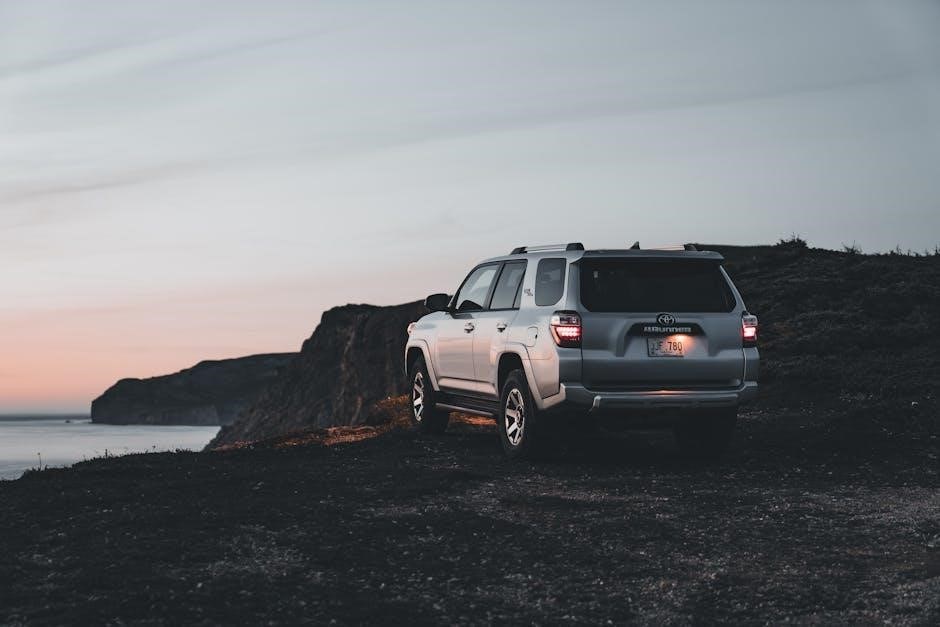
Publications like SlashGear highlighted the frustration, noting the 4Runner’s shared platform with the Tacoma. Forums like 4Runner6G.com express continued hope for a future manual introduction, referencing Toyota’s delayed addition of a manual to the Supra.
The lack of a manual fuels speculation about Toyota’s priorities and responsiveness to enthusiast demand, particularly given the 4Runner’s off-road focused reputation where manuals are often preferred.
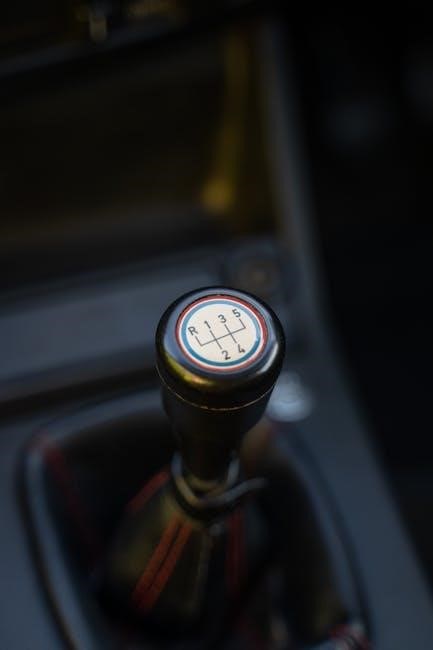
The Tacoma’s Manual Option and 4Runner Expectations
The availability of a six-speed manual transmission in the 2025 Toyota Tacoma significantly heightened expectations for a similar offering in the 4Runner. Enthusiasts logically assumed platform sharing would extend to transmission choices, creating anticipation for a stick-shift 4Runner.
However, Toyota’s decision to exclusively offer an eight-speed automatic in the 4Runner directly contradicted these expectations, leading to considerable frustration within the 4Runner community. Online discussions on platforms like Reddit (r/cars) frequently draw comparisons, questioning the rationale behind the differing transmission lineups.
The Tacoma’s manual serves as a benchmark, intensifying the perceived omission and fueling the debate surrounding Toyota’s transmission strategy for the 4Runner.
Toyota’s Official Stance on a 4Runner Manual
Toyota has definitively stated that there are currently no plans to offer a manual transmission option for the 2025 Toyota 4Runner. This confirmation, delivered through company representatives, has effectively dashed the hopes of many enthusiasts who were anticipating a stick-shift version of the redesigned SUV.
Despite the strong demand expressed by the online community, particularly on forums like 4Runner6G.com, Toyota remains firm in its decision to exclusively provide the eight-speed automatic transmission. The company hasn’t entirely ruled out a manual in future model years, referencing the delayed introduction of a manual in the Supra as a potential precedent.
However, for the initial launch of the sixth-generation 4Runner, a manual transmission is not part of the equation.
Fan Reactions and Online Forums (4Runner6G.com)
The absence of a manual transmission in the 2025 4Runner has ignited passionate debate within the online 4Runner community, particularly on 4Runner6G.com. Disappointment is widespread, with many enthusiasts expressing frustration over Toyota’s decision, especially given the Tacoma’s availability of a six-speed manual.
Forum discussions reveal a sense of betrayal, as many potential buyers specifically desired a manual 4Runner for enhanced driver engagement and off-road control. A recurring theme centers around the belief that the 4Runner, sharing a platform with the Tacoma, should have mirrored its transmission options.
Despite the initial negativity, some members remain optimistic, pointing to the Supra’s later manual introduction as a glimmer of hope for future 4Runner models.
Technical Considerations: Why Manuals are Challenging for Toyota
Toyota faces significant technical hurdles in offering a manual transmission in the 4Runner, stemming from modern engine and transmission tuning philosophies. Reddit discussions (r/cars) highlight concerns about “engine lugging,” where automatic transmissions are programmed to keep the engine at low RPMs for fuel efficiency, sacrificing responsiveness.
Adapting a manual transmission to work harmoniously with Toyota’s current engines requires extensive calibration to prevent similar issues, ensuring sufficient power delivery across various terrains. The eight-speed automatic is seen as a more straightforward solution, providing a broad gear ratio spread.
Furthermore, platform sharing with the Tacoma introduces complexities, as transmission differences necessitate unique engineering and testing for the 4Runner.
Transmission Tuning and Engine Lugging Issues
A prevalent criticism leveled against Toyota’s automatic transmissions, particularly noted on Reddit (r/cars), centers around aggressive tuning prioritizing fuel economy over performance. This results in “engine lugging,” where the transmission holds gears too long, leaving the engine struggling and unresponsive, especially during acceleration or uphill climbs.
Implementing a manual transmission would necessitate a complete recalibration of the engine’s control unit to prevent similar issues, ensuring optimal power delivery and driver control. The challenge lies in balancing fuel efficiency with the demands of off-road driving and enthusiast expectations.
This tuning complexity is a key factor influencing Toyota’s reluctance to offer a manual option.
The Eight-Speed Automatic: A Toyota Solution
Toyota positions its eight-speed automatic transmission as a sophisticated alternative to a manual, aiming to deliver a blend of efficiency and capability. SlashGear highlights the transmission has received widespread praise, even while acknowledging the disappointment of manual transmission enthusiasts following the 2025 4Runner’s release.
The eight-speed’s wider gear ratio spread allows for both improved fuel economy at highway speeds and enhanced low-end torque for off-road challenges. Toyota believes this transmission effectively addresses many of the performance concerns that would drive demand for a manual.
However, the persistent complaints regarding tuning and engine lugging suggest the automatic isn’t a universally accepted solution.
Platform Sharing with Tacoma and Transmission Differences
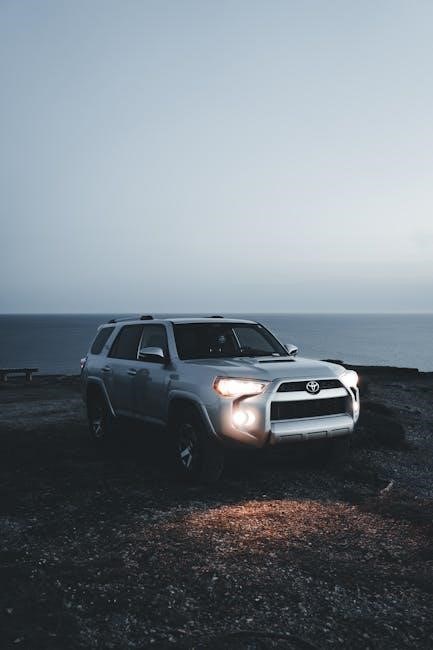
The 2025 Toyota 4Runner shares a platform with the Tacoma, leading to significant questions regarding the absence of a manual transmission option in the 4Runner, despite its availability in the Tacoma. This discrepancy fuels frustration among enthusiasts, as highlighted by reports from SlashGear and discussions on online forums.
While both vehicles utilize a shared foundation, Toyota has chosen to offer only an eight-speed automatic for the 4Runner. The Tacoma’s six-speed manual is not carried over, indicating a deliberate decision based on perceived market demand and vehicle-specific tuning considerations.
This divergence raises questions about Toyota’s strategy and the potential for future transmission options.
Potential Future Possibilities for a 4Runner Manual
Despite the initial lack of a manual option for the 2025 4Runner, hope remains for a future introduction, drawing parallels to the Toyota Supra’s delayed manual availability. Discussions on 4Runner6G.com highlight this possibility, suggesting Toyota might follow a similar pattern of responding to enthusiast demand after the initial launch.
A limited-run manual 4Runner, catering specifically to the dedicated fanbase, isn’t entirely out of the question. Market demand, if demonstrably strong, could incentivize Toyota to reconsider. However, this hinges on proving sufficient interest beyond online forums.
Toyota’s cautious approach suggests a careful evaluation of feasibility and profitability before committing to a manual transmission.
Toyota’s strategy with the GR Supra provides a compelling precedent for a potential delayed manual 4Runner introduction. Initially launched with an automatic transmission, the Supra later received a manual option in response to persistent customer requests and enthusiast feedback. This demonstrates Toyota’s willingness to adapt and cater to its core audience, even after the initial model release.
Applying this model to the 4Runner suggests Toyota might be assessing market reaction to the 2025 model before committing to the significant engineering changes required for a manual transmission. The Supra experience indicates a willingness to revisit transmission options based on demand.
This cautious approach allows Toyota to gauge genuine interest and mitigate potential financial risks.
Market Demand and Potential for a Limited Run
Assessing genuine market demand is crucial for Toyota to justify the investment in a 4Runner manual transmission. While not a mass-appeal option, a dedicated enthusiast base exists, evidenced by fervent discussions on platforms like 4Runner6G.com and Reddit (r/cars). This suggests a potential for a successful, albeit limited, production run.
Toyota could mirror strategies employed by other manufacturers, offering a manual 4Runner as a special edition or trim level. This approach minimizes risk while satisfying a vocal segment of the customer base. A limited run would also create exclusivity and potentially increase resale value.
Careful analysis of pre-orders and enthusiast feedback will be key to determining viability.
Aftermarket Manual Conversion Options
For dedicated enthusiasts, aftermarket manual transmission conversions represent a viable, though complex and costly, path to achieving a stick-shift 4Runner. These conversions typically involve sourcing a compatible transmission – potentially from a Tacoma – along with associated components like a pedal assembly, clutch master cylinder, and potentially a modified driveshaft.
The process demands significant mechanical expertise and fabrication skills, or reliance on specialized shops. Challenges include ECU recalibration to accommodate the manual transmission and ensuring seamless integration with the 4Runner’s existing systems.
While offering the desired driving experience, aftermarket conversions void factory warranties and may impact vehicle reliability.
The Appeal of a Manual Transmission in a 4Runner
The allure of a manual transmission in a 4Runner centers on enhanced driver engagement and a more direct connection to the vehicle. Many enthusiasts believe a manual gearbox fosters a more immersive and controlled driving experience, particularly appealing for those who enjoy spirited on-road driving or challenging off-road trails.
Beyond the driving feel, a manual transmission offers potential advantages in off-road scenarios, providing greater control over engine braking and preventing unwanted gear changes on steep inclines.
Despite the “pavement princess” perception of some newer 4Runners, a manual would cater to those seeking a more rugged and capable experience, echoing the appeal of the Jeep Wrangler and Ford Bronco’s manual options.
Enhanced Driver Engagement and Control
A manual transmission fundamentally alters the driving experience, demanding active participation and providing a heightened sense of control. Unlike modern automatics, which often prioritize efficiency and smoothness, a manual places the driver firmly in command of gear selection, fostering a more direct connection with the vehicle’s powertrain.
This level of engagement appeals to enthusiasts who relish the tactile feedback and the satisfaction of mastering heel-toe downshifts or perfectly timed gear changes. Reddit discussions (r/cars) frequently lament automatic transmissions that “constantly [are] in the wrong gear,” highlighting the desire for driver-defined control.
The ability to precisely manage engine RPMs and torque delivery enhances both on-road performance and off-road capability, making the driving experience more rewarding.
Off-Road Advantages of a Manual Transmission
For serious off-road enthusiasts, a manual transmission offers distinct advantages over automatics in challenging terrain. The ability to precisely control engine braking is crucial for descending steep inclines, preventing runaway speeds and maintaining stability. Unlike automatics, which can hunt for gears or unexpectedly shift, a manual allows the driver to maintain a consistent engine speed for optimal control.
Furthermore, a manual transmission eliminates the risk of automatic transmission overheating during prolonged, low-speed rock crawling or extended uphill climbs. The direct mechanical connection provides a more predictable and reliable power delivery, essential when navigating obstacles;
This control translates to increased confidence and capability in demanding off-road situations.
The “Pavement Princess” Perception and Manuals
The Toyota 4Runner has, increasingly, gained a reputation as a “pavement princess” – a vehicle primarily used for daily commuting rather than its intended off-road capabilities. This perception fuels the desire for a manual transmission among enthusiasts who believe a stick shift would encourage more engaged driving and discourage casual use.
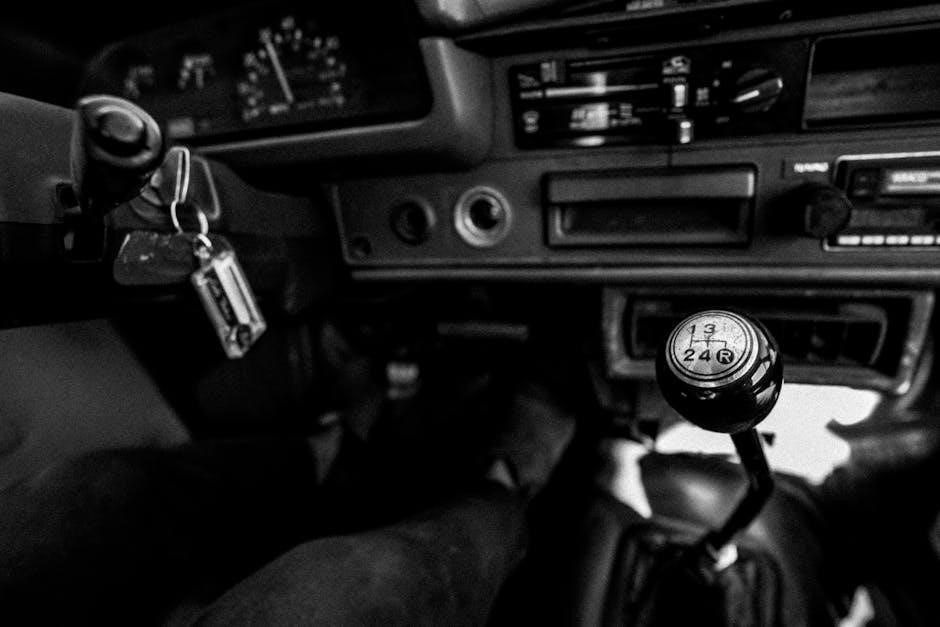
A manual transmission inherently demands more driver involvement, potentially deterring those seeking a purely comfortable and effortless experience. This aligns with the vision of a 4Runner as a rugged, capable vehicle, not simply a family hauler.
The availability of a manual could help re-establish the 4Runner’s image as a serious off-road machine, appealing to a dedicated core of drivers.
Comparison with Competitors Offering Manual Transmissions
Toyota’s decision to forgo a manual 4Runner places it at a disadvantage compared to key competitors who still offer stick-shift options. The Jeep Wrangler, a direct rival, continues to provide a six-speed manual transmission, appealing to enthusiasts prioritizing driver control and engagement. Similarly, the Ford Bronco boasts a seven-speed manual, further solidifying its appeal to off-road purists.
Even the Nissan Frontier, a mid-size pickup, retains a manual transmission option, demonstrating that demand persists within the truck and SUV segments.
These competitors leverage manual transmissions as a selling point, attracting buyers seeking a more visceral driving experience, something Toyota currently doesn’t offer with the 4Runner.
Jeep Wrangler and its Manual Transmission
The Jeep Wrangler stands as a prime example of a manufacturer successfully retaining a manual transmission option in a highly capable off-road vehicle. Offering a six-speed manual, the Wrangler caters directly to enthusiasts who value the enhanced control and driver engagement a stick-shift provides, particularly on challenging terrain.
This contrasts sharply with Toyota’s approach to the 4Runner, where a manual is absent despite a similar target demographic. The Wrangler’s manual isn’t merely a nostalgic offering; it’s actively marketed as a feature, attracting buyers specifically seeking that connection to the driving experience.
Jeep’s commitment demonstrates that a viable market exists for manual transmissions even in a segment increasingly dominated by automatics, highlighting a missed opportunity for Toyota.
Ford Bronco and Manual Availability
The Ford Bronco, a direct competitor to the Toyota 4Runner, also provides a compelling case study in manual transmission availability. Initially, the Bronco offered a seven-speed manual transmission, specifically designed with a low-crawl gear for superior off-road performance, appealing to enthusiasts prioritizing control and capability.
While Ford has since scaled back manual production due to demand and supply chain issues, its initial commitment signaled a recognition of the market segment desiring a stick-shift option in a rugged SUV. This contrasts with Toyota’s complete omission of a manual for the latest 4Runner generation.
The Bronco’s brief manual offering further underscores the potential demand and viability of such a transmission in this vehicle class, adding pressure on Toyota to reconsider.
Nissan Frontier and Manual Options
The Nissan Frontier presents another relevant comparison point, as it continues to offer a six-speed manual transmission as a standard option on select trims. This demonstrates that a mid-size truck platform – similar to the 4Runner and Tacoma – can successfully accommodate a manual gearbox in the current automotive landscape.
The Frontier’s continued manual availability suggests that manufacturing and engineering challenges aren’t insurmountable, potentially refuting some of Toyota’s stated reasons for discontinuing the manual in the 4Runner. It also caters to a specific buyer base valuing driver engagement and a more traditional driving experience.
The Frontier’s stance highlights a divergence in manufacturer philosophy, with Nissan actively supporting manual transmission options while Toyota has moved exclusively to automatics.
The Impact of Reddit Discussions (r/cars) on the Topic
The r/cars subreddit serves as a significant barometer of public opinion regarding the absence of a manual transmission in the 2025 Toyota 4Runner. Discussions reveal widespread disappointment, with users lamenting the lack of choice and expressing concerns about automatic transmission programming, specifically the tendency to “lug the engine.”
A common sentiment centers around the 4Runner increasingly becoming a “pavement princess,” suggesting a manual transmission would better align with the vehicle’s off-road capabilities and enthusiast appeal. The coveted manual V8 Cayenne GTS is frequently referenced as a benchmark for a desirable, engaging driving experience.
Reddit users also point to the Tacoma’s manual option, intensifying frustration over the 4Runner’s exclusion, and questioning Toyota’s rationale.
User Sentiment Regarding Automatic vs. Manual
Online forums and platforms like Reddit (r/cars) demonstrate a clear divide in user preference regarding transmissions for the Toyota 4Runner. While acknowledging automatics offer convenience, a vocal segment passionately advocates for a manual option, emphasizing enhanced driver engagement and control.
Many users express dissatisfaction with modern automatic transmissions, citing issues with gear selection and a perceived disconnect from the driving experience. Concerns revolve around automatics constantly being “in the wrong gear,” hindering performance and responsiveness, particularly off-road.
The desire for a manual isn’t solely about performance; it’s also linked to a preference for a more visceral and connected driving experience, a sentiment strongly echoed within the 4Runner enthusiast community.
Concerns About Automatic Transmission Programming
A recurring theme in online discussions centers on the programming of Toyota’s automatic transmissions, specifically their tendency to “lug the engine.” Users on platforms like Reddit (r/cars) and 4Runner6G.com frequently criticize the transmission’s reluctance to downshift, resulting in the engine operating at low RPMs under load.
This programming, intended to maximize fuel efficiency, is perceived as detrimental to performance and potentially damaging to the engine. The issue isn’t exclusive to Toyota; many modern automatics are accused of prioritizing economy over responsiveness, creating a frustrating driving experience.
Enthusiasts point to the coveted manual V8 Cayenne GTS as a benchmark for transmission responsiveness, highlighting the desire for a transmission that allows full utilization of the engine’s power.
The Coveted Manual V8 Cayenne GTS as a Benchmark
The brief existence of the manual V8 Porsche Cayenne GTS has become a legendary example for 4Runner enthusiasts longing for a similar driving experience. Frequently referenced in online forums like r/cars on Reddit, the Cayenne GTS represents a rare combination of power, luxury, and driver engagement.
Its availability with a manual transmission is seen as a missed opportunity by many, demonstrating that manufacturers can successfully offer a stick-shift option in a performance SUV. The GTS’s responsiveness and control are directly contrasted with complaints about Toyota’s automatic transmission programming.
The Cayenne GTS serves as a benchmark, illustrating the potential for a truly engaging driving experience that many feel is absent in modern, automatic-only SUVs like the 4Runner.