The Self-Sufficient Backyard PDF: A Comprehensive Guide
The Self-Sufficient Backyard PDF, created by Ron and Johanna Melchiore, is a detailed resource for achieving self-sufficiency, offering practical guidance on homesteading and sustainable living․
This guide empowers individuals to reduce reliance on external systems through food production, energy generation, and essential DIY projects, ideal for any property size․
With over 40 years of off-grid experience, the Melchiores provide step-by-step instructions, real-life scenarios, and valuable insights for a self-reliant lifestyle․
Self-sufficiency, as presented in The Self-Sufficient Backyard PDF, isn’t about abandoning modern life entirely, but rather about gaining control and resilience․ It’s a journey towards reducing dependence on complex, often fragile, systems for basic needs like food, water, and energy․
This guide emphasizes that self-sufficiency is achievable even on small land plots – even for apartment dwellers! The core idea revolves around utilizing available space effectively, embracing practical skills, and understanding natural cycles․
Ron and Johanna Melchiore’s approach focuses on empowering individuals to become more independent and resourceful․ It’s about building a lifestyle that’s less vulnerable to external disruptions and more aligned with sustainable practices․ The PDF provides a roadmap for transforming a typical backyard into a productive, self-sustaining ecosystem, offering a pathway to greater freedom and peace of mind․
Who are Ron and Johanna Melchiore?
Ron and Johanna Melchiore are the experienced voices behind The Self-Sufficient Backyard PDF, bringing over 40 years of hands-on, off-grid homesteading experience to the table․ They aren’t theorists; they’ve lived the self-sufficient lifestyle, navigating the challenges and celebrating the rewards firsthand․
Their expertise stems from practical application, not just research․ This real-world experience is what sets their guide apart, offering solutions born from necessity and refined through years of trial and error․ They understand the nuances of sustainable living, providing insights that many armchair homesteaders simply can’t offer․
The Melchiores created this PDF to share their accumulated knowledge, empowering others to achieve greater independence and resilience․ They aim to demystify homesteading, making it accessible to anyone willing to learn and put in the effort․
Core Principles of The Self-Sufficient Backyard
The Self-Sufficient Backyard operates on several core principles, foremost being minimizing dependence on external systems․ This involves maximizing resourcefulness and utilizing what you have, reducing reliance on grocery stores and conventional energy sources․
Another key tenet is practical application – the guide emphasizes “doing” over simply “knowing․” It’s about acquiring essential skills like gardening, food preservation, and basic construction, fostering self-reliance through tangible abilities․
Sustainability is central, promoting methods that work with nature, not against it․ This includes composting, rainwater harvesting, and responsible livestock management․ The PDF champions a holistic approach, aiming for a balanced and regenerative system․
Finally, adaptability is crucial; the Melchiores acknowledge that every property is unique, encouraging readers to tailor the techniques to their specific circumstances․
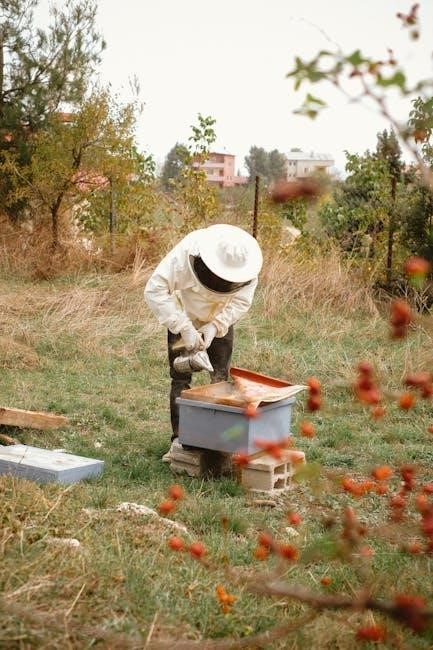
Food Production Strategies
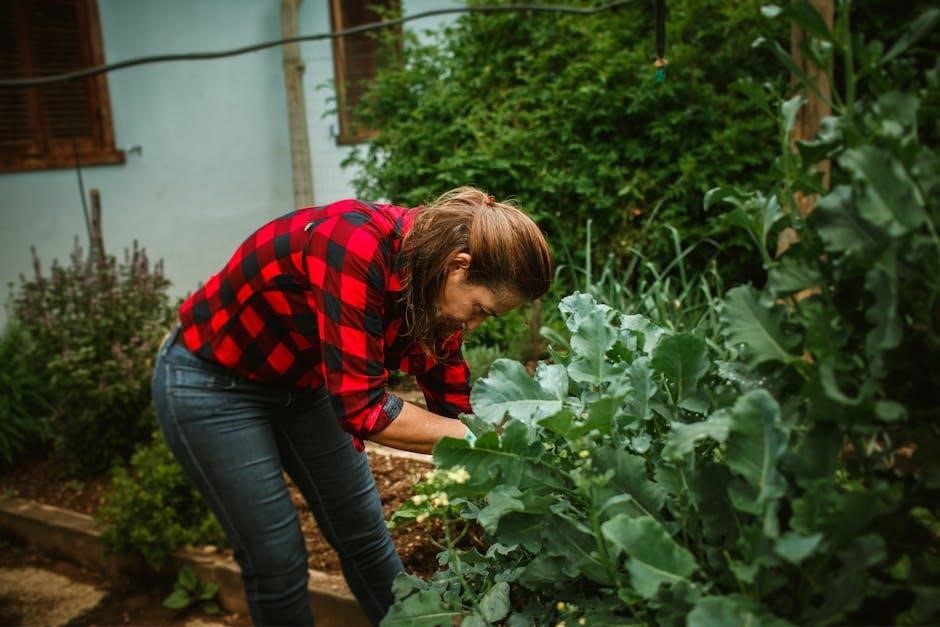
The Self-Sufficient Backyard PDF details strategies for maximizing food output, including intensive gardening, small livestock raising, and effective food preservation techniques for year-round sustenance․
Gardening Techniques for Maximum Yield
The Self-Sufficient Backyard PDF emphasizes maximizing garden productivity even on limited land․ It delves into techniques like intensive planting, companion planting, and succession sowing to ensure a continuous harvest throughout the growing season․
Readers will discover how to optimize soil health through composting and natural fertilization methods, creating a thriving ecosystem for their plants․ The guide also covers efficient watering strategies, minimizing waste and conserving precious resources․
Furthermore, it provides guidance on selecting the most productive plant varieties for specific climates and utilizing vertical gardening techniques to expand growing space․ Understanding these methods is crucial for achieving self-sufficiency and reducing reliance on store-bought produce, as detailed within the PDF’s comprehensive approach․
Raising Small Livestock: Chickens, Rabbits & More
The Self-Sufficient Backyard PDF details practical strategies for integrating small livestock into your homestead, focusing on chickens and rabbits as excellent starting points for beginners․ It provides comprehensive guidance on coop construction, animal care, and breeding practices, ensuring ethical and sustainable animal husbandry․
The guide emphasizes the benefits of raising livestock for eggs, meat, and natural fertilizer, contributing significantly to self-sufficiency․ It also addresses common health concerns and preventative measures, minimizing losses and maximizing productivity․
Beyond chickens and rabbits, the PDF explores other options like ducks or goats, tailored to different property sizes and climates․ Readers gain the knowledge to responsibly manage these animals, enhancing their backyard ecosystem and reducing dependence on external food sources․
Food Preservation Methods: Canning, Drying, & Root Cellaring
The Self-Sufficient Backyard PDF dedicates significant attention to preserving the bounty of your garden, detailing essential methods like canning, drying, and root cellaring․ It provides step-by-step instructions for safely preserving fruits, vegetables, and meats, extending your harvest throughout the year and bolstering self-sufficiency․
The guide covers various canning techniques – water bath and pressure canning – emphasizing safety protocols to prevent spoilage․ It also explores different drying methods, from solar drying to using a dehydrator, maximizing shelf life and flavor․
Furthermore, the PDF explains how to construct and utilize a root cellar, a low-tech, energy-efficient method for storing root vegetables and other produce․ Mastering these preservation skills minimizes food waste and ensures a consistent food supply․
Water Management & Conservation
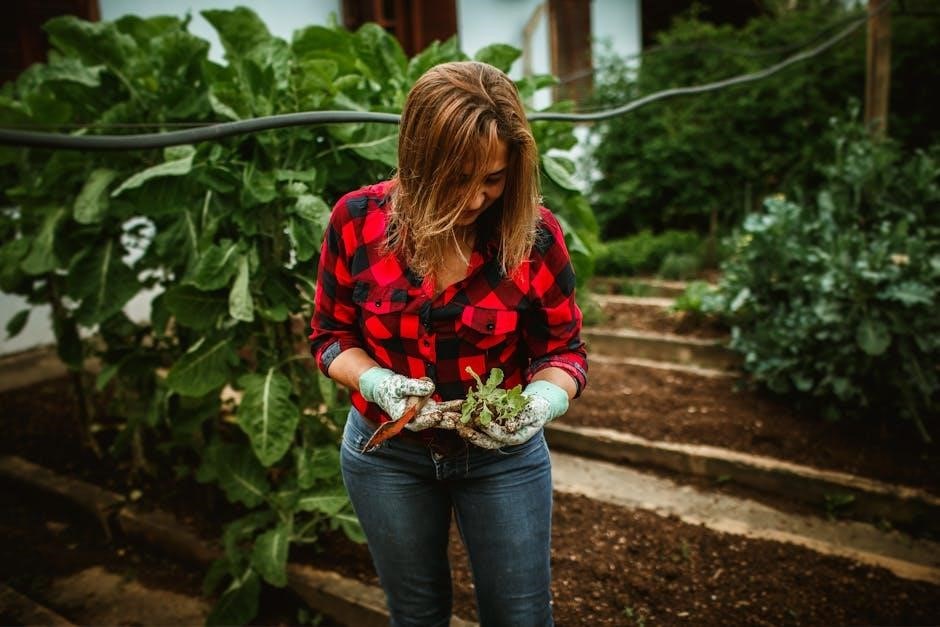
The Self-Sufficient Backyard PDF emphasizes responsible water usage, detailing techniques like rainwater harvesting and greywater recycling for sustainable garden irrigation and self-reliance․
Rainwater Harvesting Systems

The Self-Sufficient Backyard PDF provides comprehensive guidance on implementing effective rainwater harvesting systems, a crucial component of water conservation and self-sufficiency․ It details various methods, from simple barrel collection to more complex setups involving gutters, downspouts, and storage tanks․
The guide explains how to calculate rainwater potential based on rainfall data and roof surface area, ensuring appropriately sized systems․ It also covers essential filtration techniques to purify collected water for garden use, minimizing contaminants and maximizing plant health․
Furthermore, the PDF addresses legal considerations and potential regulations surrounding rainwater harvesting, empowering readers to implement systems responsibly and legally․ This section emphasizes reducing reliance on municipal water sources and creating a sustainable water supply for a thriving, self-reliant homestead․
Greywater Recycling for Garden Use
The Self-Sufficient Backyard PDF dedicates a section to greywater recycling, presenting it as a valuable strategy for conserving water and enriching garden ecosystems․ It clarifies the difference between greywater (from showers, sinks, and laundry) and blackwater, emphasizing safe handling practices․
The guide details simple, low-cost greywater systems suitable for various property sizes, focusing on diverting water to non-edible plants․ It outlines appropriate filtration methods, like sand filters, to remove soaps and debris, ensuring plant health and preventing soil contamination․
Crucially, the PDF stresses the importance of using biodegradable, plant-friendly soaps and detergents․ It also addresses potential regulations and best practices for responsible greywater use, promoting a sustainable and self-sufficient approach to garden irrigation․
Energy Independence
The Self-Sufficient Backyard PDF explores pathways to energy independence, detailing small-scale solar options and biofuel production through composting, reducing reliance on utilities․
Small-Scale Solar Power Options
The Self-Sufficient Backyard PDF delves into accessible solar power solutions for homeowners seeking energy independence․ It moves beyond large, expensive installations, focusing on practical, small-scale systems suitable for various budgets and property sizes․
The guide likely covers options like solar chargers for devices, small solar panels for powering sheds or greenhouses, and potentially even DIY solar water heaters․ It emphasizes understanding energy needs to appropriately size a system, avoiding overspending on unnecessary capacity․
Readers can expect information on the components required – panels, charge controllers, batteries – and guidance on basic installation․ The PDF likely stresses the importance of safety precautions and potentially navigating local regulations regarding solar installations, empowering readers to harness the sun’s energy effectively․
Composting and Biofuel Production
The Self-Sufficient Backyard PDF champions waste reduction and resourcefulness through detailed composting and biofuel production techniques․ It likely presents composting not merely as disposal, but as a valuable method for creating nutrient-rich soil amendment for gardens, reducing fertilizer needs․
The guide probably explores various composting methods – traditional piles, bin systems, vermicomposting – catering to different space constraints and preferences․ Furthermore, it may venture into small-scale biofuel production, potentially focusing on simple, safe methods like creating biogas from kitchen scraps․
Expect practical instructions on building compost bins, maintaining optimal conditions, and utilizing the finished compost․ The PDF likely emphasizes the environmental benefits and cost savings associated with these practices, promoting a closed-loop system within the homestead․

DIY Projects & Essential Skills
The Self-Sufficient Backyard PDF provides step-by-step instructions for practical projects like building chicken coops and greenhouses, fostering independence and essential homesteading skills․
Building a Chicken Coop
The Self-Sufficient Backyard PDF details constructing a functional and secure chicken coop, a cornerstone of small-scale livestock management․ This isn’t just about providing shelter; it’s about predator protection, proper ventilation, and ease of cleaning – all crucial for healthy hens and consistent egg production․
The guide offers detailed plans, material lists, and step-by-step instructions suitable for various skill levels․ It emphasizes utilizing readily available or reclaimed materials to minimize costs, aligning with the principles of self-sufficiency․ Beyond the basic structure, the PDF covers essential features like nesting boxes, roosting bars, and access points for feeding and water․
Furthermore, it addresses considerations for coop placement, ensuring optimal sunlight and drainage․ Successfully building a coop, as outlined in the guide, is a significant step towards fresh eggs and a more sustainable lifestyle․
Constructing a Simple Greenhouse
The Self-Sufficient Backyard PDF provides practical instructions for building a simple greenhouse, extending the growing season and maximizing food production․ This isn’t about elaborate structures; it focuses on affordable, easily constructed designs utilizing readily available materials like reclaimed wood and plastic sheeting․
The guide details various greenhouse types, from hoop houses to lean-to designs, offering options suitable for different spaces and budgets․ It emphasizes the importance of proper ventilation and sunlight exposure for optimal plant growth․ Step-by-step diagrams and material lists simplify the construction process, even for beginners․
Beyond the build itself, the PDF covers essential considerations like site selection and temperature regulation․ A homemade greenhouse, as demonstrated in the guide, is a powerful tool for year-round gardening and increased self-sufficiency․
Basic Carpentry & Repair Skills
The Self-Sufficient Backyard PDF recognizes that self-reliance extends to maintaining and building structures․ It emphasizes the importance of basic carpentry and repair skills for homesteaders, reducing dependence on outside help and saving money․
The guide doesn’t assume prior experience; it starts with fundamental techniques like measuring, cutting, and joining wood․ It covers essential tools – hand saws, hammers, drills – and their safe operation․ Projects like building raised garden beds or repairing fences are used to illustrate these skills․
Furthermore, the PDF addresses common repairs around the homestead, from fixing broken tools to mending structures․ Mastering these skills, as highlighted in The Self-Sufficient Backyard, is crucial for long-term sustainability and independence․
Cost Analysis & Potential for Profit
The Self-Sufficient Backyard PDF details how homesteading reduces grocery bills and explores potential income streams, like selling surplus produce or eggs, for profit․
Reducing Grocery Bills Through Self-Sufficiency
The Self-Sufficient Backyard PDF provides a pathway to significantly lower grocery expenses by enabling readers to grow a substantial portion of their own food․ By implementing the gardening techniques and small livestock strategies detailed within the guide, households can decrease their dependence on store-bought produce, meat, and eggs․

Furthermore, the guide’s emphasis on food preservation – canning, drying, and root cellaring – allows for extending the harvest and minimizing food waste, translating into further savings․ Reducing reliance on commercially produced food not only benefits the wallet but also provides control over food quality and sourcing, ensuring healthier, more sustainable meals for the family․ The PDF empowers individuals to take charge of their food security and financial well-being․
Potential Income Streams from a Self-Sufficient Backyard
The Self-Sufficient Backyard PDF doesn’t just focus on reducing expenses; it also outlines opportunities to generate income from a homesteading lifestyle․ Excess produce from the garden, such as fruits, vegetables, and herbs, can be sold at local farmers’ markets or directly to consumers, creating a revenue stream․
Additionally, surplus eggs from chickens, or even rabbits raised for meat, can be sold, supplementing household income․ The guide’s DIY skills section enables the creation of value-added products, like homemade jams, preserves, or crafts, for sale․ By leveraging the skills and resources gained from the PDF, individuals can transform their self-sufficient backyard into a small-scale, profitable venture․
Resources & Further Learning
The Self-Sufficient Backyard PDF serves as a foundational resource, but continuous learning is key to successful homesteading․ The authors, Ron and Johanna Melchiore, likely offer additional resources and support through their website or related platforms, expanding upon the guide’s content․
Exploring local agricultural extension offices can provide region-specific advice on gardening, livestock, and preservation techniques․ Online forums and communities dedicated to self-sufficiency offer valuable peer-to-peer learning and problem-solving opportunities․ Furthermore, books on permaculture, organic farming, and renewable energy can deepen understanding and enhance skills․ Investing in ongoing education ensures long-term success in building a truly self-sufficient lifestyle․