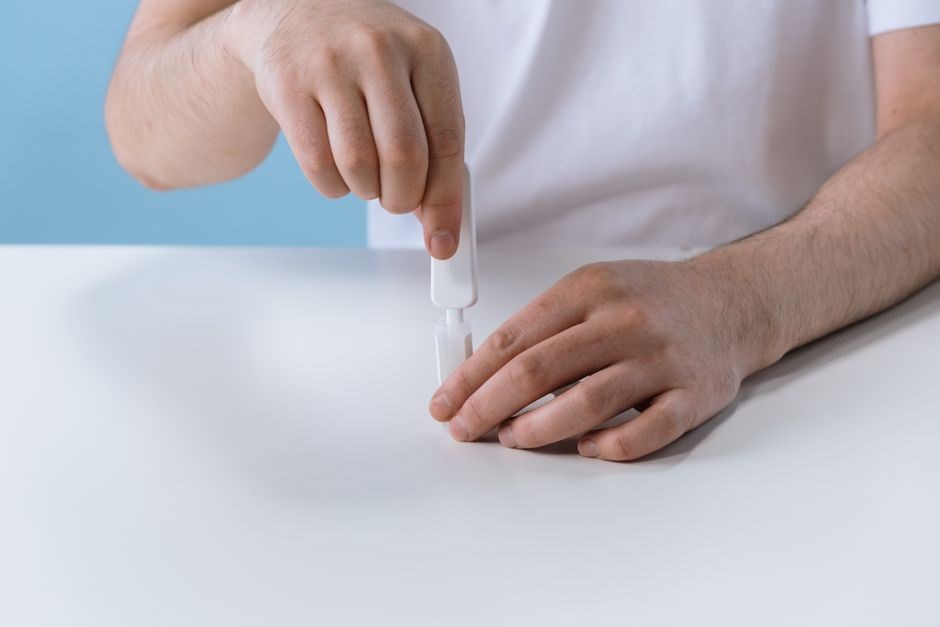
Overview of the PureWick Male External Catheter
The PureWick Male External Catheter fits snugly over the penis, connecting to a collection canister through plastic tubing and a suction unit․ Ensure all connections are air‑tight, free of cracks or kinks, then switch the unit ON to begin continuous urine collection․Follow cleaning and maintenance
What It Is and How It Works
The PureWick Male External Catheter is a non‑invasive urinary collection device designed for men who cannot use a traditional catheter․ It consists of a silicone‑based, flexible sleeve that slides over the penis, a small suction unit that creates a gentle vacuum, and a collection canister connected by a sterile plastic tube․ The device works by allowing urine to flow directly into the catheter sleeve, which then passes through the tube to the canister․ The suction unit maintains a constant negative pressure, preventing back‑flow and ensuring that urine is continuously removed from the body․ The system is fully disposable, with a single‑use collection canister and tubing that can be replaced after each use․ The sleeve’s adhesive backing secures the catheter in place, while the suction unit’s low‑noise motor and adjustable flow settings provide a comfortable experience for the user․ The design eliminates the need for manual drainage, reduces the risk of infection, and offers a discreet solution for nighttime or daytime use․ Proper application involves cleaning the genital area, sliding the sleeve onto the penis, connecting the tube to the suction unit, and turning the unit on․ The device automatically begins collecting urine, and the user can monitor the flow by checking the canister’s level indicator․ When the canister is full, it can be detached and replaced with a fresh unit․ The system’s low‑profile design ensures comfort during sleep, and the quiet motor allows discreet use in public settings!

System Components and Materials
The PureWick system includes a silicone sleeve, a low‑noise suction unit, a sterile plastic tube, and a disposable collection canister․ Materials are biocompatible, hypoallergenic, and designed for single‑use to prevent infection․ It is safe and user‑friendly․!

Collection Canister, Tubing, and Suction Unit
The PureWick collection system comprises three essential components: a disposable, sealed canister, a flexible, medical‑grade silicone tube, and a compact, battery‑powered suction unit․ The canister holds up to 1․5 L of urine and features a secure, leak‑proof lid that locks in place once the tubing is connected․ The silicone tube is 30 cm long, with a diameter of 6 mm, and is designed to be kink‑resistant and easy to insert․ It has a smooth inner surface to minimize friction and a small, clear window that allows the user to monitor fluid levels without opening the system․ The suction unit is lightweight, weighs 120 g, and operates at a constant 35 mm Hg suction pressure․ It includes an LED indicator that turns green when the unit is functioning correctly, and a red light if a blockage or low battery is detected․ The unit’s battery is rechargeable via a USB‑C port and provides up to 12 h of continuous operation․ All components are made from medical‑grade, hypoallergenic materials, ensuring compatibility with sensitive skin and reducing the risk of allergic reactions․ The system is designed for single‑use; the canister and tubing are disposable, while the suction unit can be reused after cleaning․ Proper assembly involves attaching the tube to the canister’s inlet, connecting the other end of the tube to the catheter’s drainage fitting, and then powering on the suction unit․ This setup ensures a steady, continuous flow of urine into the canister, maintaining a dry, comfortable experience for the user․ The entire system is designed to be user‑friendly, with clear color‑coded connectors and a quick‑release mechanism that allows for rapid disassembly and replacement of the disposable components, ensuring hygiene and convenience for both patients and caregivers․ All parts are sterilized before use․

Pre‑Use Preparation
Before use, inspect the catheter, canister, and tubing for cracks or kinks․ Ensure the suction unit is charged and the LED is green․ Assemble the tubing to the canister, attach the catheter fitting, and verify all connections are air‑tight․ Then power on the unit․ Check for any leaks before use․?!
Ensuring Air‑Tight Connections and Checking for Cracks
Before activating the PureWick system, perform a detailed inspection to guarantee reliable performance and patient safety; Visually examine each component—collection canister, tubing, drainage fitting, and suction unit—for visible damage․ Look for cracks, splits, or deformities that could compromise the seal, and feel the tubing for kinks or pinches that might restrict flow․
Assemble the system in the manufacturer‑recommended order․ Attach the drainage fitting to the canister’s open end, ensuring the connector threads are clean and free of debris․ Tighten the connection firmly but avoid overtightening, which can damage threads or create a loose joint․ Repeat the process for the tubing, securing both ends with the provided clamps or latches․
Perform a pressure test once assembled․ Close the canister’s valve and gently squeeze the tubing․ A properly sealed system will maintain pressure; any drop indicates a leak․ If a leak is detected, disassemble the affected connection, clean the threads, and reattach, then retest for steady pressure․
Run a small amount of water through the system to verify seal integrity․ Observe the flow; a steady, uninterrupted stream confirms air‑tight integrity․ Document the inspection date and any corrective actions taken․ This routine not only ensures optimal urine collection but also extends the lifespan of the catheter and associated components․
Use a flashlight to inspect the tubing for microcracks, especially near bends․ If any crack is found, replace the tubing immediately․
Check the suction unit’s seal by observing the indicator light; a steady green light indicates proper seal․ If the light flickers, inspect the suction unit’s connections for looseness․
Maintain a log sheet with serial numbers, inspection dates, and any anomalies․ This log assists in troubleshooting and warranty claims․
If the system is used in a humid environment, inspect for condensation inside the canister, which can signal a compromised seal․ Remove moisture promptly․

After inspection, store the components in a dry, cool place to prevent material degradation that could lead to cracks today

Step‑by‑Step Setup Instructions
Begin by placing the catheter over the penis, ensuring a snug fit․ Attach the drainage fitting to the canister, then connect the tubing․ Tighten all clamps․ Turn on the suction unit․ Verify a steady flow and secure air‑tight seals before use․ Check for leaks and confirm suction is before setup now!
Connecting the Drainage Fitting to the Collection System
First, ensure the PureWick male external catheter sits snugly over the penis and that the drainage fitting is clean․ Align the open end of the collection canister with the fitting, twist until a tight seal forms, secure with locking ring, inspect for cracks, attach tubing, power on suction, observe flow, re‑check if intermittent, follow cleaning protocol․ This procedure ensures optimal performance and patient comfort․ By following these steps meticulously, users can reduce the risk of complications and extend the lifespan of the device․ Regular inspection and timely replacement of worn components are essential for maintaining system integrity․ The PureWick system is designed for ease of use, with intuitive connections and clear indicators․ Users should always refer to the official guidelines for any updates or safety notices․ Consistent adherence to the cleaning protocol safeguards against bacterial growth and preserves the sterility of the collection apparatus․ Proper storage of unused components in a dry, cool environment further protects the device from damage․ In case of any uncertainty, contact customer support for assistance․ Maintaining a log of usage and maintenance activities can help track performance over time and identify trends that may warrant professional review․ By integrating these practices into daily routine, the overall reliability and effectiveness of the PureWick male external catheter system are maximized․ Adhering to these guidelines safeguards the device and ensuring a seamless experience that supports daily activities without interruption․ The system’s design prioritizes comfort, reliability, and ease of maintenance, making it a trusted choice for long‑term daily urinary management․!?

Daily Operation Guidelines
Check suction level, monitor urine flow, replace collection canister when full, keep tubing free of kinks, ensure seal remains tight, log usage, and perform daily cleaning per instructions․ Follow safety checks and report any leaks promptly․ Ensure device stays dry․
Monitoring Urine Flow and Suction Levels
Begin each shift by verifying that the suction unit is powered on and that the indicator lights display normal operation․ Inspect the tubing for kinks, blockages, or any signs of wear; a clear, uninterrupted flow is essential for accurate urine collection․ The collection canister should be monitored for fullness, and when the level approaches the maximum mark, replace the canister promptly to prevent overflow and maintain a continuous suction cycle․
- Urine Flow: Observe the flow rate visually and, if available, use the built‑in flow meter․ A sudden drop may signal a kink or a disconnection․ If flow stops, re‑attach the drainage fitting and check for air leaks․
- Suction Levels: The suction gauge should remain within the manufacturer’s recommended range․ A reading below the lower threshold indicates a possible blockage or a faulty seal; increase suction or adjust the tubing as needed․
- Leak Checks: Periodically press gently on the catheter’s adhesive area․ A leak will feel like a slight suction loss․ Re‑apply adhesive if necessary and re‑seal the connection․
- Documentation: Log each check in the patient’s chart, noting time, flow rate, suction reading, and any corrective actions taken․
- Battery Status: Ensure the battery is fully charged; a low battery can cause intermittent suction․ Replace or recharge as indicated․
- Filter Maintenance: Replace the filter every 48 hours or as per manufacturer’s recommendation to maintain suction integrity․
- Temperature Monitoring: Keep ambient temperature within 15–30 °C; extreme temperatures can affect suction performance․
- Patient Comfort: Check for skin irritation; if redness appears, reposition the catheter or apply barrier cream․
- Data Logging: Use the digital log if available to track flow trends over time․
Maintain a routine schedule: check at the start of each day, mid‑day, and before bedtime․ Consistent monitoring ensures early detection of issues, reduces the risk of infection, and keeps the system functioning efficiently throughout the patient’s care period․ If the suction unit displays a red warning light, consult the troubleshooting guide; common causes include a clogged filter, low battery, or a disconnected tubing segment․ Replace the filter, recharge the battery, or re‑secure the tubing․ If problems persist, contact technical support for further assistance․

Cleaning and Maintenance Routine
After each use, detach the catheter, rinse the tubing with sterile water, and wipe the adhesive area with alcohol․ Replace the filter daily, and sterilize the canister in a 121°C autoclave for 15 minutes․ Store components in a dry, sealed container to prevent contamination․ Store in cool, dry room․!
Sterilization of the Catheter and Tubing
The catheter and tubing must be sterilized after each use to maintain hygiene and reduce infection risk․ Follow these steps:
- Disassembly: Carefully detach the catheter from the collection canister and tubing, avoiding contamination of the adhesive area․
- Pre‑wash: Rinse the catheter and tubing with sterile saline to remove residual urine and debris․
- Autoclave: Place the catheter and tubing in a sealed autoclave bag․ Use a 121 °C (250 °F) cycle for 15 minutes․ Ensure the bag is fully sealed to prevent steam leakage․
- Chemical sterilization: If an autoclave is unavailable, immerse the catheter and tubing in a 0․5 % glutaraldehyde solution for 30 minutes, then rinse with sterile water․
- Drying: After sterilization, allow the catheter and tubing to air‑dry in a sterile environment․ Do not touch the interior surfaces․
- Inspection: Check for cracks, kinks, or warping․ Replace any damaged components immediately․
- Storage: Place the sterilized catheter and tubing in a sterile pouch or container․ Store at room temperature, protected from dust and moisture․
Never reuse disposable parts․ Always use fresh sterile components for each new patient or session․ Adhering to these sterilization protocols ensures optimal device performance and patient safety․
Log sterilization cycle to ensure compliance and quality now

Safety, Adverse Events, and FAQ
Check MAUDE reports for reported issues․ Common concerns: skin irritation, leakage, and suction failure․ Follow manufacturer guidelines for proper fit and cleaning․ If irritation occurs, remove device, clean skin, and consult a clinician․ Use daily, stay safe․
MAUDE Reports and Common User Questions
Recent MAUDE data (updated 07/31/2026) lists several adverse events for the PureWick Male External Catheter, primarily skin irritation, minor leakage, and suction unit malfunctions․ Users frequently ask about proper fit, cleaning protocols, and what to do if the suction stops․ The manufacturer recommends daily inspection for cracks, kinks, or blockages, and immediate removal if skin redness or itching appears․ For leakage, ensure the catheter is seated correctly and the tubing is free of twists․ If suction fails, check the power source, replace the battery, and verify the suction unit is not clogged․ Cleaning involves rinsing the catheter and tubing with warm water and mild soap, then sterilizing with a recommended solution․ For any persistent issues, contact the customer support hotline or consult a healthcare professional․
- How often should I replace the canister? – Replace when full or every 24 hrs․
- What if the suction unit stops? – Check battery, unclog filter, and restart․
- Can I use a different tubing? – Only manufacturer‑approved tubing is recommended․
For detailed guidance, refer to the user manual or contact support!

Contact support for help! or a doctor․